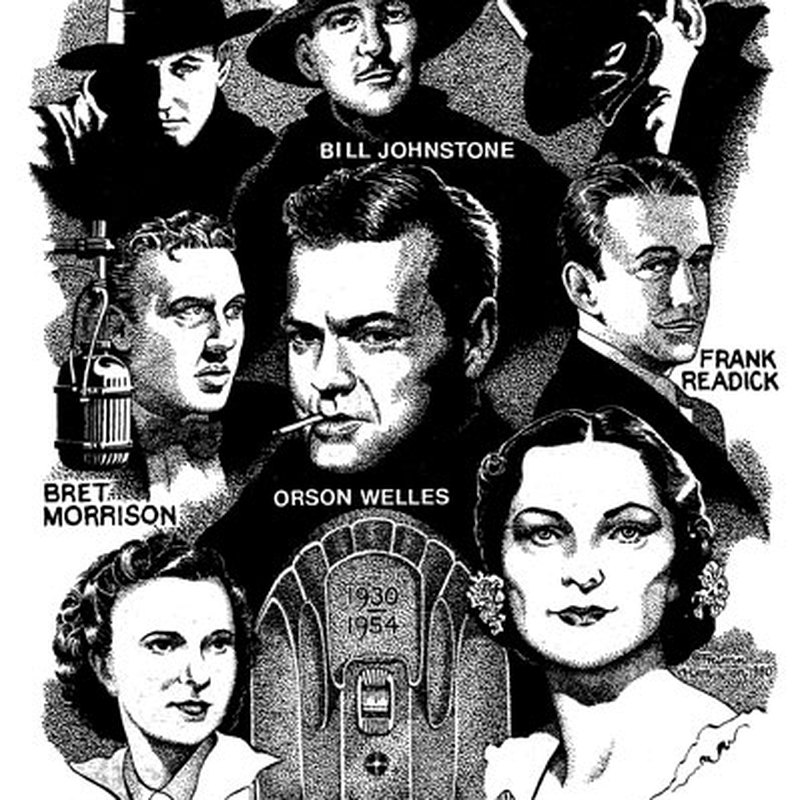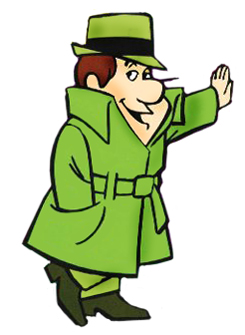
The Green Hornet
Broadcast on Syndicated. Transferred from the Internet Archive's Old Time Radio Researchers collection (public domain).


Est. transmissions 1903–2010
Survived on transcription discs and reels. Entered the public domain. Digitised by archivists — original air dates, original networks, original artwork.
Choose the year
22 on air
550 Kilocycles
22 signals on the band in 1947
…static… keep turning, there's a station close by.
The broadcast day
A 1947 network schedule laid over the restored archive — serials after school, comedy at teatime, thriller anthologies after dark. Tune in and you join the programme already in progress, the way you would have then.
Warming the transmitter…
78rpm records
29,000+ digitised 78rpm sides from The Radio Planet mirror: blues, vaudeville, dance bands, opera, early jazz and the pre-radio recording world.
1939 — 1945
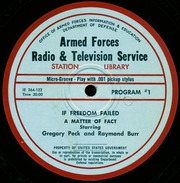
Broadcasts made while it was happening: the Armed Forces Radio Service shows sent overseas to the troops, NBC's wartime book dramas, and the BBC bulletins from London.
Talk, testimony and argument
Before the podcast interview there was the microphone taken out into the street, the town-hall debate with the audience answering back, and Murrow cutting the week together from field recordings. Unscripted people, on the air, saying what they thought.
Station log — 31 October
Episodes whose original transmission date is today's, in another decade. Refreshed every morning.
Broadcast on Syndicated. Transferred from the Internet Archive's Old Time Radio Researchers collection (public domain).

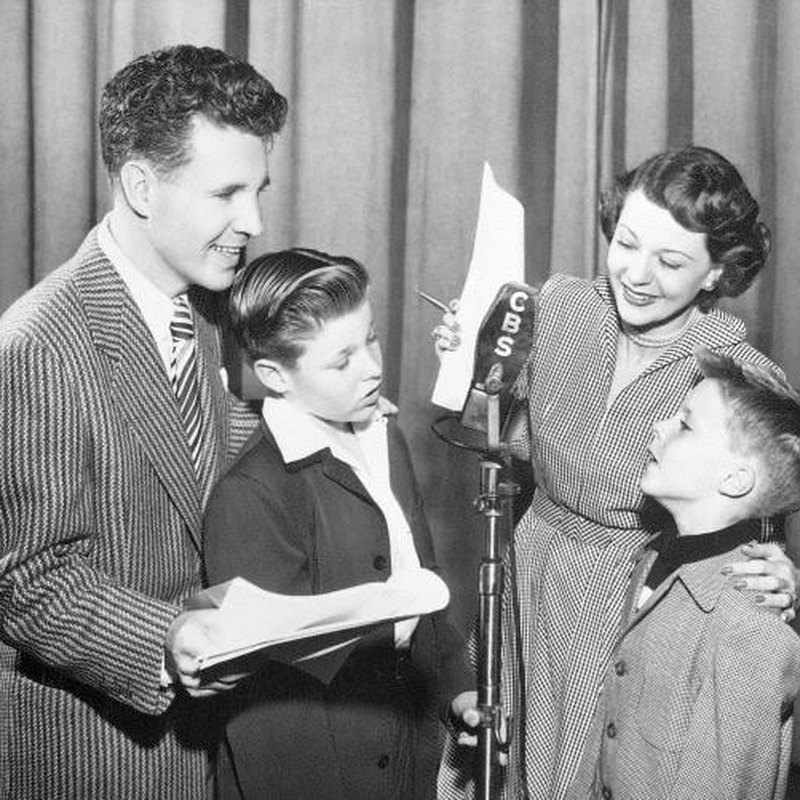
Radio Reader's Digest was broadcast on CBS from 1942 to 1948, sponsored by the Hallmark greeting-card company and later by Campbell.
Transferred from the Internet Archive item “OTRR_YoursTrulyJohnnyDollar_Singles”, part of the Old Time Radio Researchers public-domain collections.
Broadcast 31 October 1966. Public-domain transfer from the Old Time Radio Researchers certified set at the Internet Archive.
Seventy thousand recordings
Card catalogue
Filter 622 restored series by decade, network and genre — the kind of query the big audio apps simply don't offer.
Restoration grades are measured from the encoded bitrate of each surviving recording — no guesswork, so you can skip the rough rips if you'd rather not hunt.
487 series on file
Radio
PG32 EpisodesFortnightly
Unscripted people, on the air, saying what they thought.
Radio
PG38 EpisodesWeekly
Unscripted people, on the air, saying what they thought.
Radio
PG46 EpisodesSeasonal
Unscripted people, on the air, saying what they thought.
Radio
PG41 EpisodesTwice weekly
Unscripted people, on the air, saying what they thought.
Radio
PG220 EpisodesFortnightly
Unscripted people, on the air, saying what they thought.
Radio
PG291 EpisodesWeekly
Big bands, big guests, one microphone.
Radio
PG47 EpisodesTwice weekly
Big bands, big guests, one microphone.
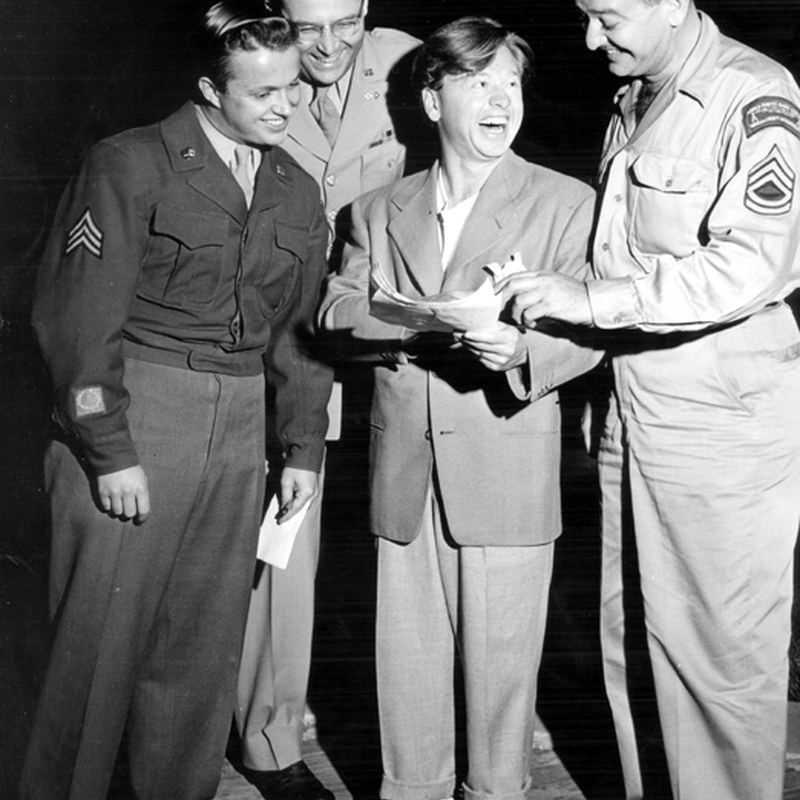
Radio
PG89 EpisodesWeekly
The jokes your great-grandparents stayed in for.
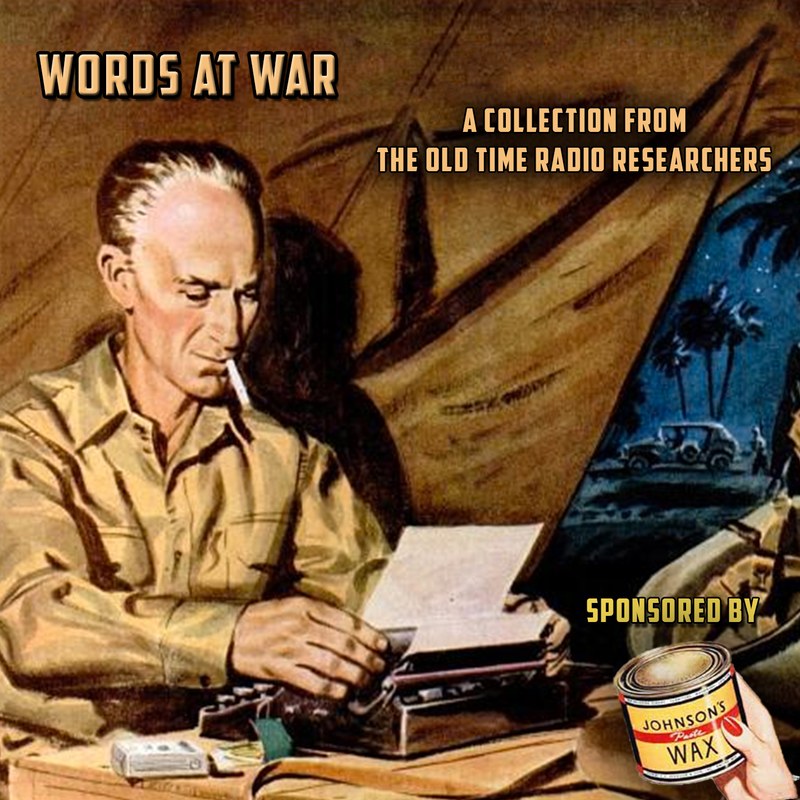
Radio
PG97 EpisodesSeasonal
A different story, a different cast, every week.
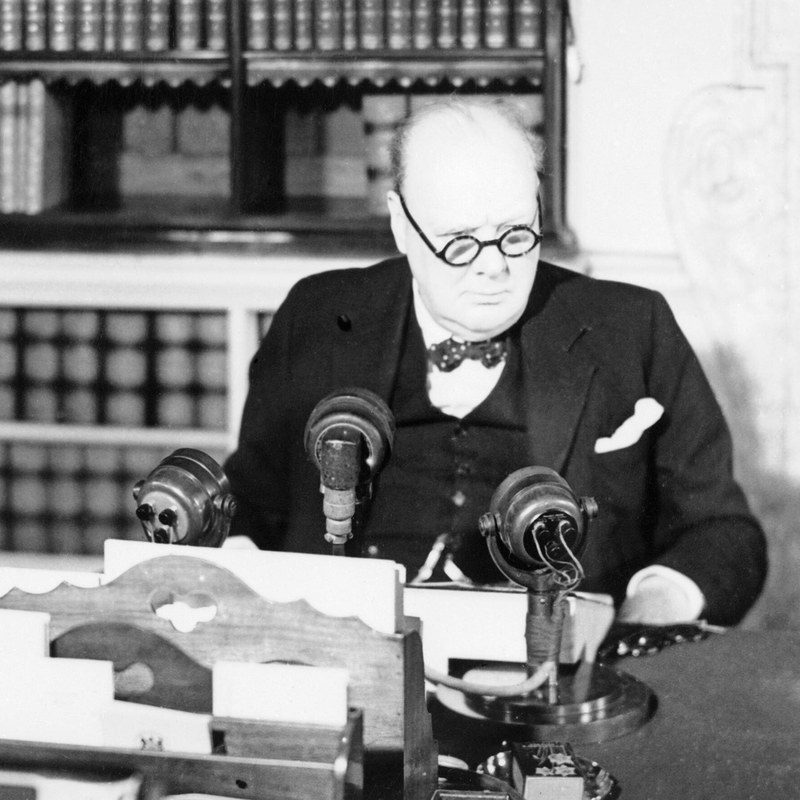
Radio
PG100 EpisodesFortnightly
The century as it was reported, live.
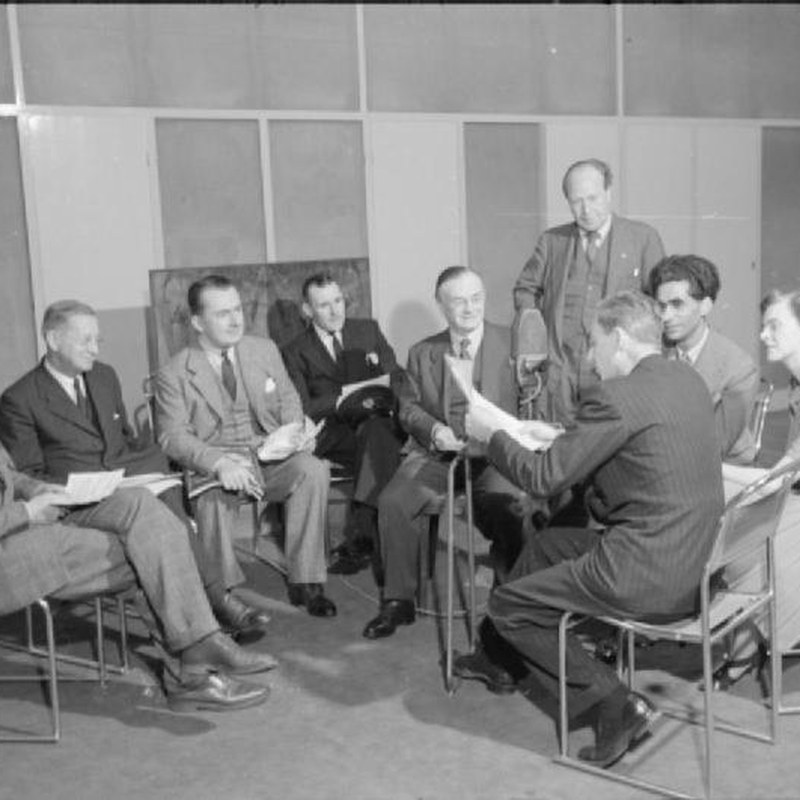
Radio
PG75 EpisodesWeekly
The century as it was reported, live.
Radio
PG107 EpisodesFortnightly
Cases closed the hard way, one reel at a time.
Radio
PG267 EpisodesFortnightly
The jokes your great-grandparents stayed in for.
Radio
PG404 EpisodesFortnightly
The century as it was reported, live.
Radio
PG730 EpisodesSeasonal
The jokes your great-grandparents stayed in for.
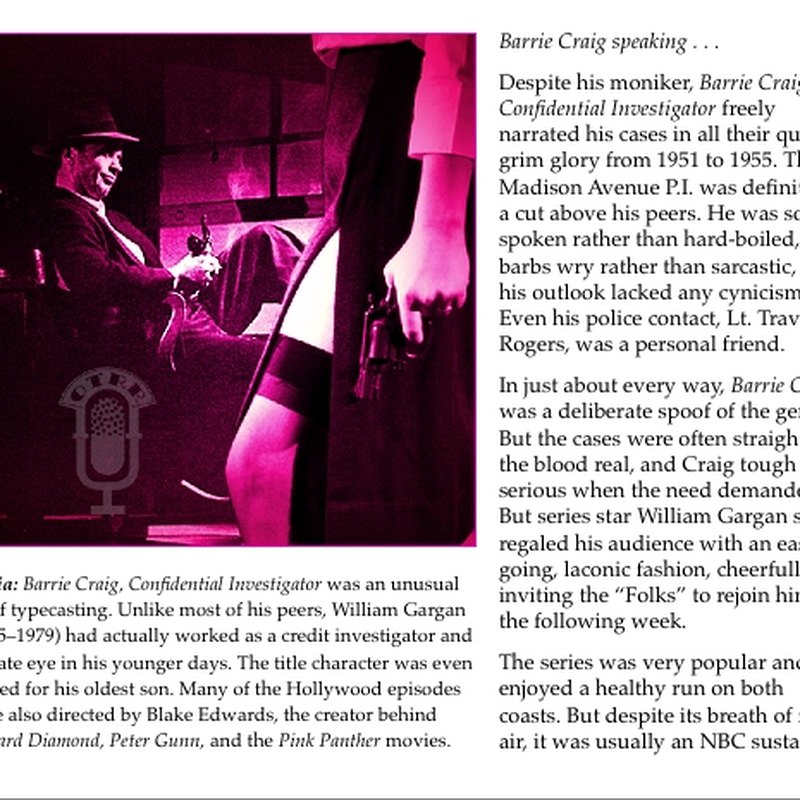
Radio
PG104 EpisodesSeasonal
Rain on the pavement, a voice in the dark.
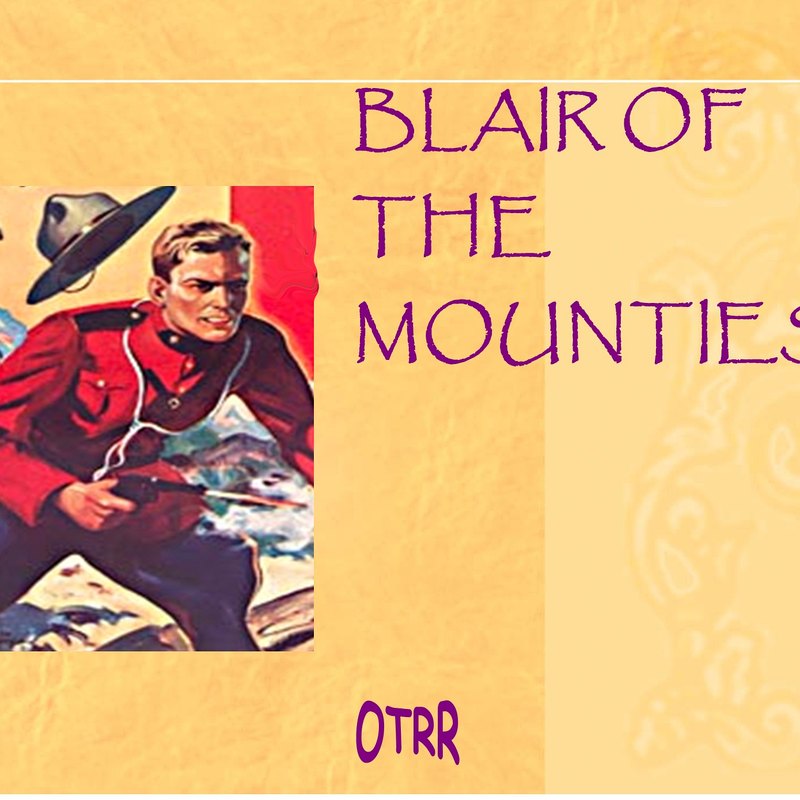
Radio
PG76 EpisodesFortnightly
High adventure, told at full volume.
Radio
PG289 EpisodesWeekly
Rain on the pavement, a voice in the dark.
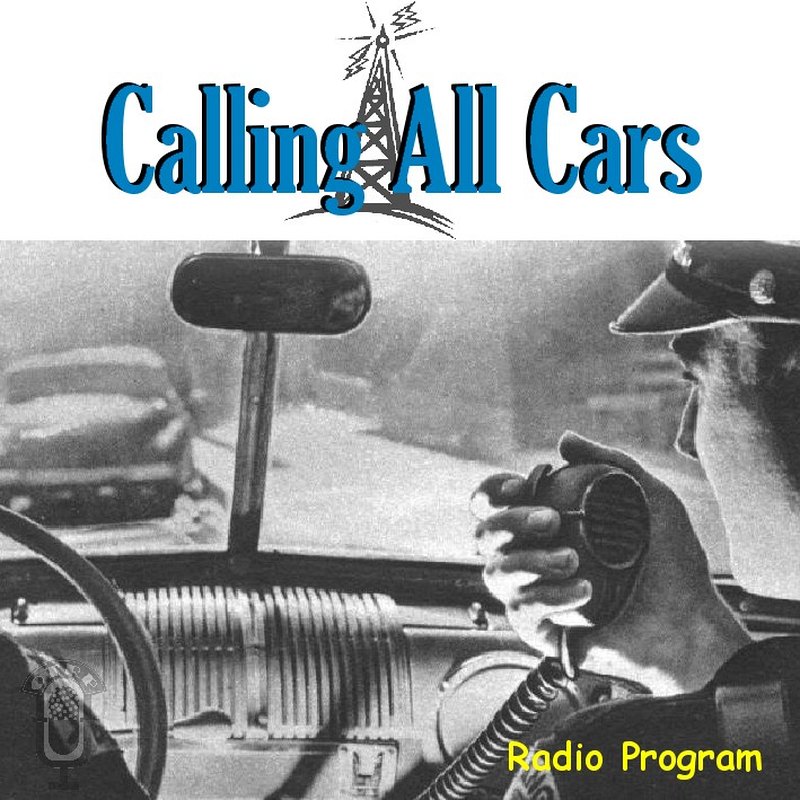
Radio
PG344 EpisodesFortnightly
Cases closed the hard way, one reel at a time.
Radio
PG1729 EpisodesWeekly
History dramatised from the record, while it was still warm.
Radio
PG1399 EpisodesTwice weekly
Radio's most famous half hour of dread.
Radio
PG112 EpisodesSeasonal
Full-cast drama, live to air, no second takes.
Radio
PG661 EpisodesTwice weekly
High adventure, told at full volume.
Radio
PG1642 EpisodesTwice weekly
Fifteen minutes a day, and never quite resolved.
Tonight on the network
1930s
The first great serials, live orchestras and the birth of network drama.
Radio
PG3314 EpisodesWeekly
The jokes your great-grandparents stayed in for.
Radio
PG40 EpisodesTwice weekly
Fifteen minutes a day, and never quite resolved.
Radio
PG234 EpisodesWeekly
Continuing drama, one household and one lifetime.

Radio
PG49 EpisodesSeasonal
Full-cast drama, live to air, no second takes.
Radio
PG85 EpisodesTwice weekly
Big bands, big guests, one microphone.
Radio
PG52 EpisodesTwice weekly
High adventure, told at full volume.
Radio
PG30 EpisodesSeasonal
The jokes your great-grandparents stayed in for.
Radio
PG16 EpisodesTwice weekly
Cases closed the hard way, one reel at a time.
1940s
Wartime broadcasts, full-cast theatre and the peak of the anthology.
Radio
PG3314 EpisodesWeekly
The jokes your great-grandparents stayed in for.
Radio
PG40 EpisodesTwice weekly
Fifteen minutes a day, and never quite resolved.
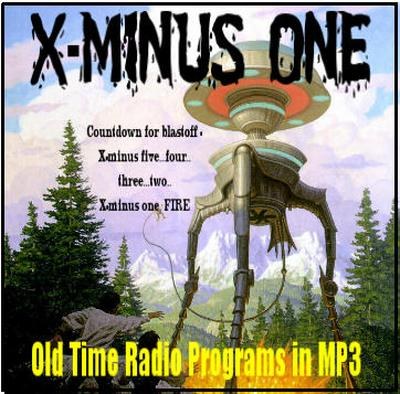
Radio
PG334 EpisodesSeasonal
Rocket ships, ray guns and genuinely strange ideas.
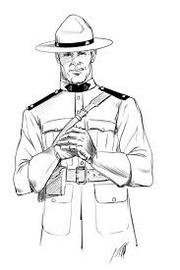
Radio
PG34 EpisodesWeekly
Cases closed the hard way, one reel at a time.
Radio
PG234 EpisodesWeekly
Continuing drama, one household and one lifetime.
Radio
PG55 EpisodesTwice weekly
Full-cast drama, live to air, no second takes.
Radio
PG49 EpisodesSeasonal
Full-cast drama, live to air, no second takes.
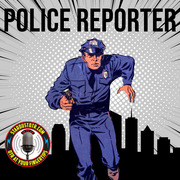
Radio
PG26 EpisodesWeekly
Saddle up. The West as America first heard it.
Radio
PG52 EpisodesTwice weekly
High adventure, told at full volume.
Radio
PG30 EpisodesSeasonal
The jokes your great-grandparents stayed in for.
Radio
PG16 EpisodesTwice weekly
Cases closed the hard way, one reel at a time.

Radio
PG14 EpisodesSeasonal
The jokes your great-grandparents stayed in for.
1950s
Radio's last golden run before television took the living room.
Radio
PG3314 EpisodesWeekly
The jokes your great-grandparents stayed in for.
Radio
PG54 EpisodesWeekly
Saddle up. The West as America first heard it.
Radio
PG88 EpisodesSeasonal
Cases closed the hard way, one reel at a time.
Radio
PG334 EpisodesSeasonal
Rocket ships, ray guns and genuinely strange ideas.
Radio
PG34 EpisodesWeekly
Cases closed the hard way, one reel at a time.
Radio
PG234 EpisodesWeekly
Continuing drama, one household and one lifetime.
Radio
PG55 EpisodesTwice weekly
Full-cast drama, live to air, no second takes.
Radio
PG26 EpisodesWeekly
Saddle up. The West as America first heard it.
Radio
PG52 EpisodesTwice weekly
High adventure, told at full volume.
Radio
PG30 EpisodesSeasonal
The jokes your great-grandparents stayed in for.
Radio
PG16 EpisodesTwice weekly
Cases closed the hard way, one reel at a time.
Radio
PG14 EpisodesSeasonal
The jokes your great-grandparents stayed in for.
1960s
The final transmissions, syndicated reruns and the long fade-out.
Radio
PG52 EpisodesTwice weekly
High adventure, told at full volume.
Radio
PG30 EpisodesSeasonal
The jokes your great-grandparents stayed in for.
Radio
PG16 EpisodesTwice weekly
Cases closed the hard way, one reel at a time.
Archive as authority
Every form on this site started somewhere. Our editors trace the line from the Golden Age broadcast to the show carrying it today.
The anthology of dread
A voice, a creaking door, and a self-contained story designed to frighten you in half an hour. Suspense and Lights Out built the grammar every horror anthology still uses.
The private eye at the microphone
First-person narration, a case that walks in the door, and a city that talks back. Marlowe, Sam Spade and Johnny Dollar turned detection into a listening form.
The case file, read aloud
Dragnet's promise — the story you are about to hear is true, only the names have been changed — is the entire premise of modern true crime, four decades early.
Theatre of the mind
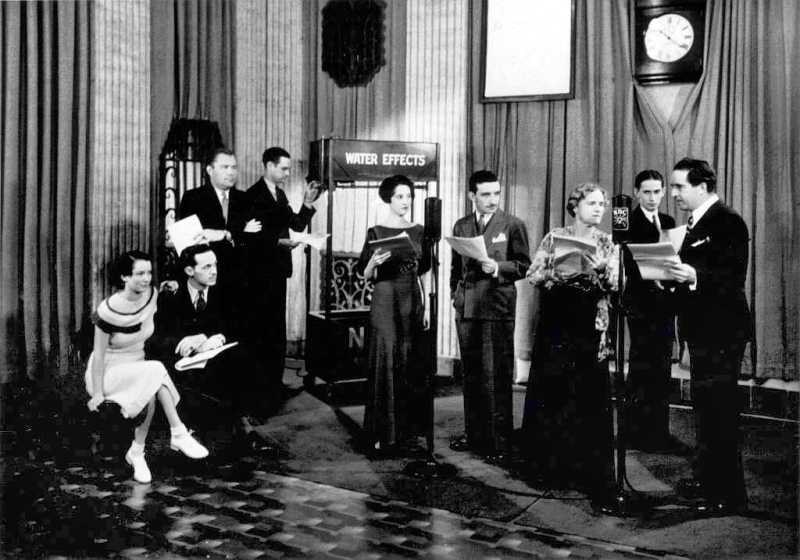
Full-cast drama with a live orchestra and a studio full of sound effects. Lux Radio Theater and the CBS Radio Workshop are the direct ancestors of scripted podcast fiction.
The rocket age
Dimension X put Bradbury and Asimov on the air with sound design as the special effect. Every science fiction audio drama since is working in that studio.
Friends in front of a microphone
Jack Benny and Fibber McGee sold intimacy: recurring characters, in-jokes, a house style. The modern hang-out show is the same trick without the script.
The panel and the quiz
You Bet Your Life proved a game is really a conversation with a scoreboard. Panel comedy still runs on that discovery.
The broadcast desk
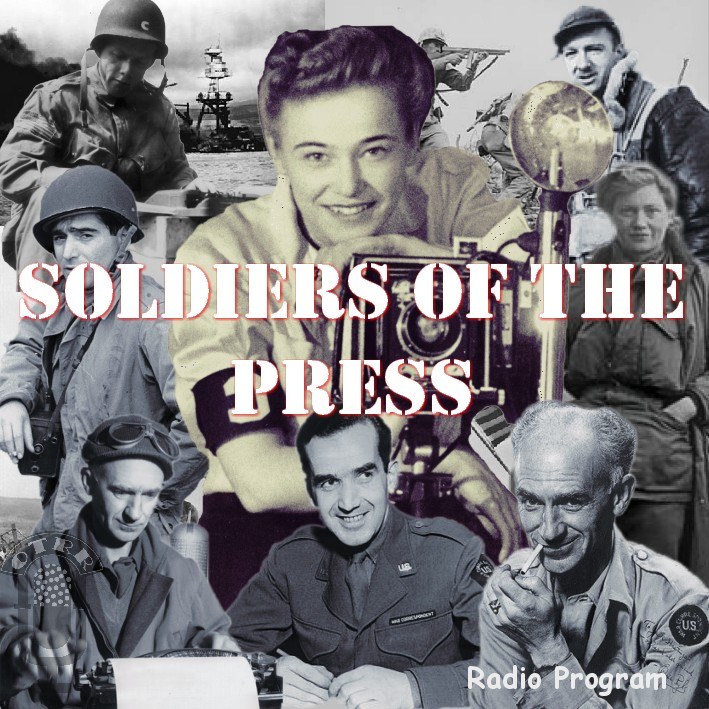
Wartime correspondence and Cavalcade of America established the daily explainer and the narrated history hour long before either had a feed.
The adult western
Gunsmoke was sold as the first adult western: moral ambiguity, weather, silence. Serialised folk horror and long-form fiction inherited its patience.
The children's serial
Fifteen minutes, a cliffhanger, and a promise to be back tomorrow. Kids' audio still runs on the shape the Yukon and Speed Gibson serials cut.
The correspondent under fire
A reporter with a microphone standing where the story is happening, describing it while it happens. Murrow's London roofs and the UP wire dispatches made on-scene reporting a sound, not a summary.
The bulletin on the hour
Programming stops, a desk voice reads what just came in, and the day reorganises around it. The wartime news years built the rhythm every hourly update still keeps.
The roundtable of experts
Put clever people around one microphone, give them a question from a listener, and let the disagreement be the entertainment. Information Please and Town Meeting invented the format.
The microphone in the street
Stop a stranger, ask them something, broadcast whatever they say. Vox Pop turned ordinary people into content and every person-on-the-street segment descends from it.
The variety hour
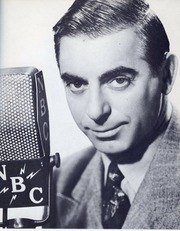
A host, a band, a guest, and sketches strung between them. Fred Allen, Eddie Cantor and Good News set the running order that late-night and comedy variety still follow.
The family at home
One house, a recurring cast, and comedy made from small domestic friction. Fibber McGee, Blondie and Ozzie and Harriet built the situation comedy before television claimed it.
The double act
The George Burns and Gracie Allen Show
CBS · 1934

2 Bears, 1 Cave with Tom Segura & Bert Kreischer
Today
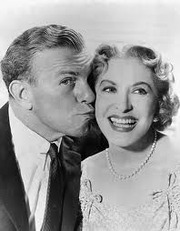
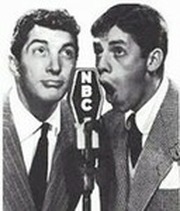
One straight man, one idiot, and a rhythm rehearsed until it sounds spontaneous. Burns and Allen, Abbott and Costello, Bob and Ray — two voices are still the most durable comedy format there is.
The comic who plays himself
The joke is the performer's own reputation — cheapness, vanity, a feud with a rival. Jack Benny and Bob Hope made the persona the premise.
The character interview
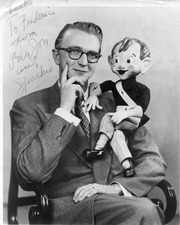
A performer arrives in character, the host plays it straight, and the interview becomes a scene. Edgar Bergen made a ventriloquist's dummy a radio star doing exactly this.
The quiz with a personality
The questions barely matter; the host's handling of the contestant is the show. You Bet Your Life turned a quiz into an interview with prizes.
The courtroom on air
Evidence presented in order, a verdict withheld until the last minute, and the listener seated in the jury box. Consider Your Verdict and Mr. District Attorney built the form true crime now lives in.
The procedural
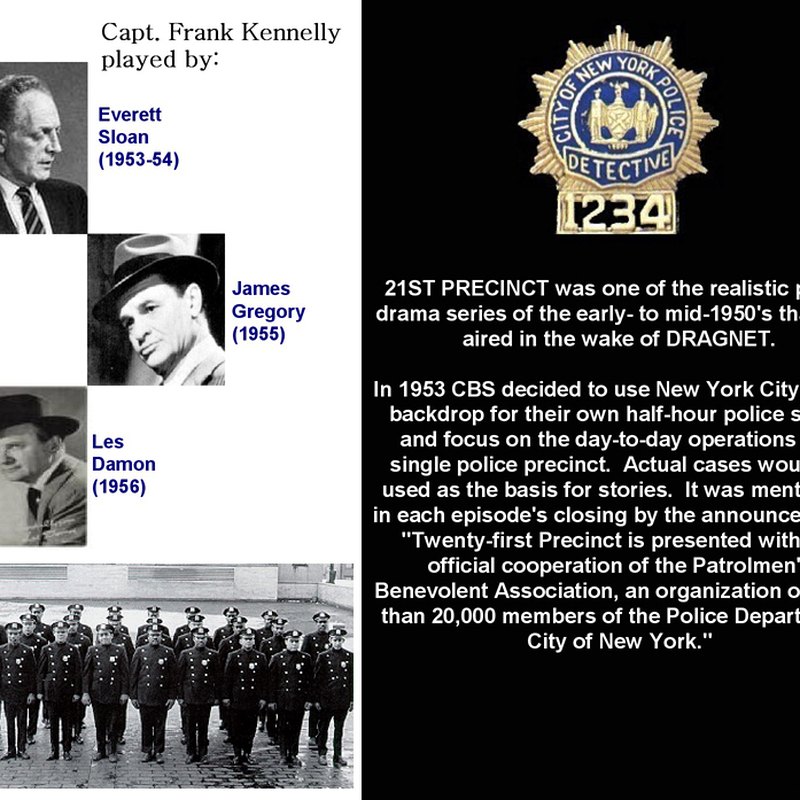
Badge numbers, case files, and the flat professional voice of the job. Dragnet and 21st Precinct invented the tone every police procedural still borrows.
The Yard and the case book
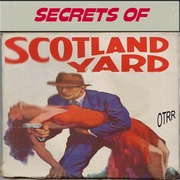
A British detective, a closed case from the files, and a narrator who has read the whole thing already. Whitehall 1212 and The Black Museum dramatised real evidence decades before the true-crime boom.
The amateur who keeps finding bodies
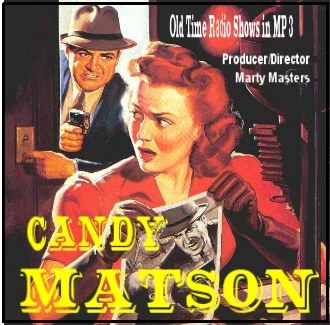
No badge, no licence, just curiosity and terrible luck. Mr. and Mrs. North and Candy Matson made the civilian detective a comedy of manners with a corpse in it.
The great detective adapted
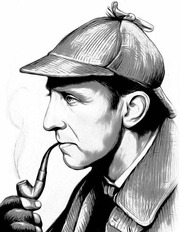
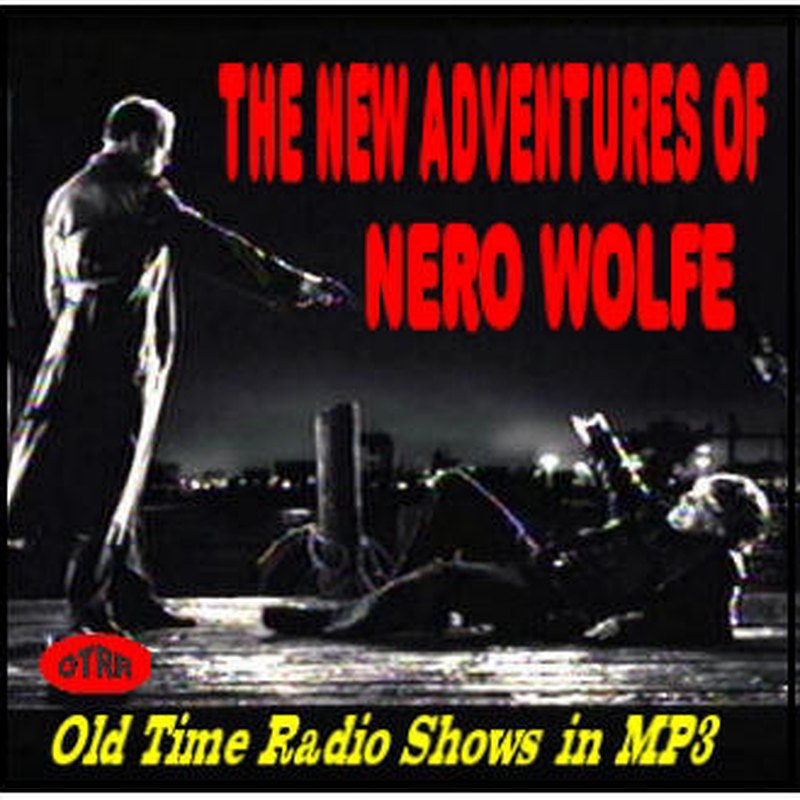
A detective from the page, a devoted narrator, and a case per week. Sherlock Holmes and Nero Wolfe turned literary detection into a repeatable broadcast.
The prestige adaptation
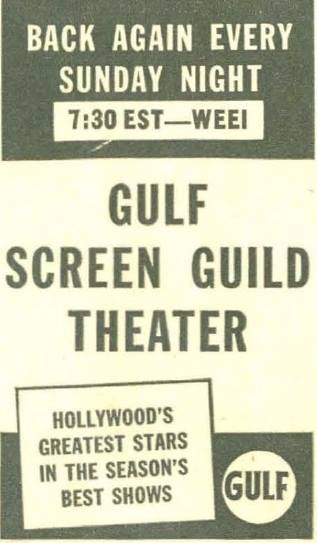
A film or novel, a star cast, an hour of Sunday-best production. Lux Radio Theater and Screen Guild made adaptation itself an event.
Broadway on the air
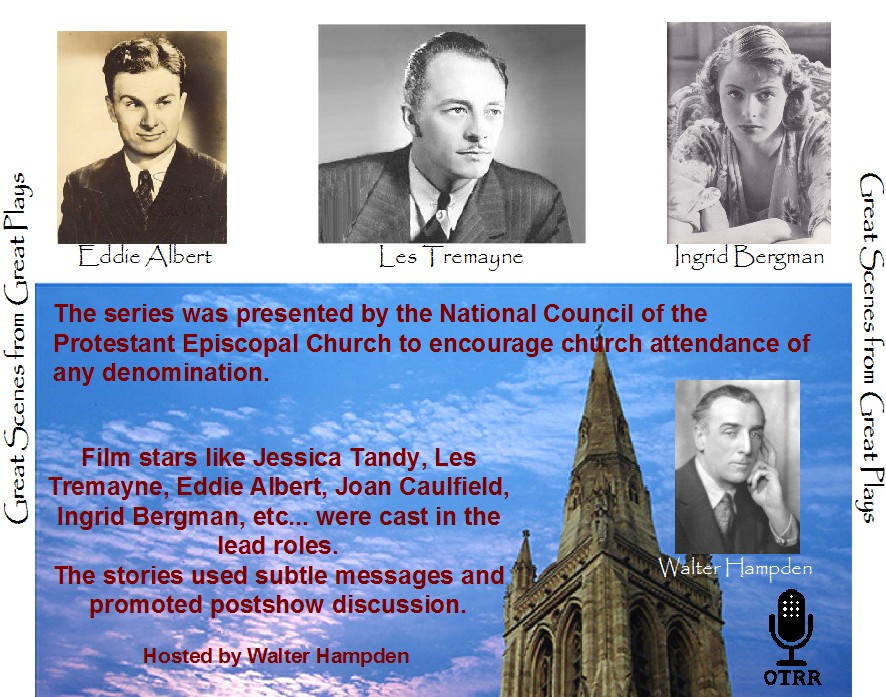
The stage play, cut to broadcast length, performed for an audience who could not get to the theatre. Great Scenes from Great Plays and Curtain Time carried the theatre nationally.
The experiment in sound
Producers treating the microphone as an instrument — layered voices, unreal spaces, structure as the subject. The CBS Radio Workshop and Arch Oboler proved audio could be art.
The crooner's hour
A microphone close enough to hear breath, and a singer who sang to one listener instead of a hall. Crosby, Jolson and Dinah Shore invented intimacy as a broadcast technique.
The band remote
A line run to a ballroom, an announcer setting the room, and a live band carried to everyone who could not be there. One Night Stand and Spotlight Bands made location music broadcasting.
The barn dance
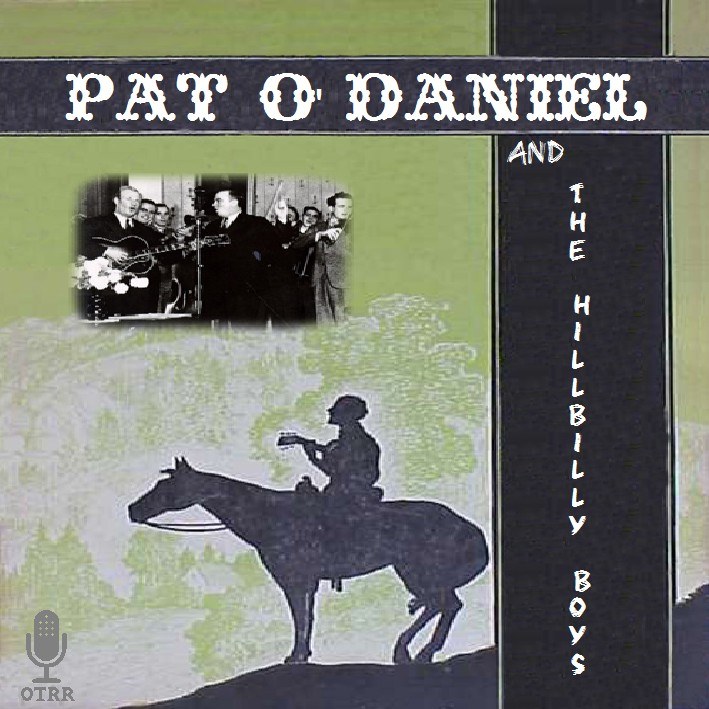
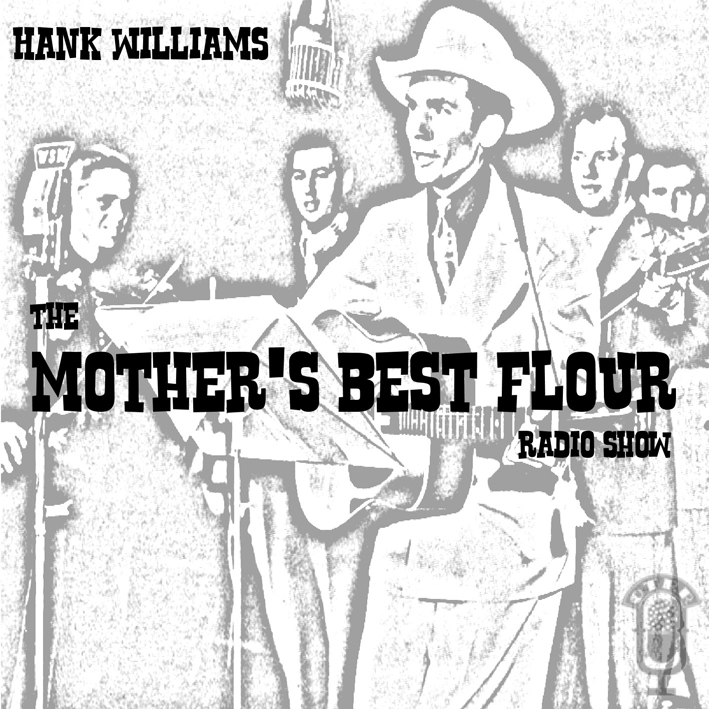
Country performers, a live crowd, and a weekly stage that made regional music national. The Grand Ole Opry and Melody Ranch built the country music industry on air.
The show sent to the troops
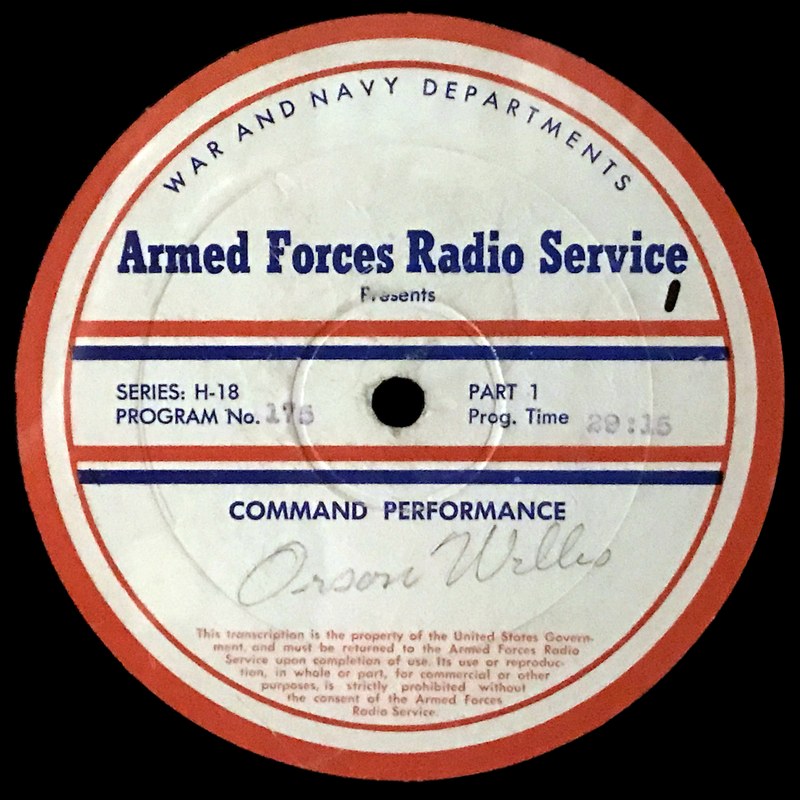
Stars recording for an audience they could not see, on discs shipped to wherever the war was. Command Performance and Mail Call built entertainment as a service.
The state at the microphone
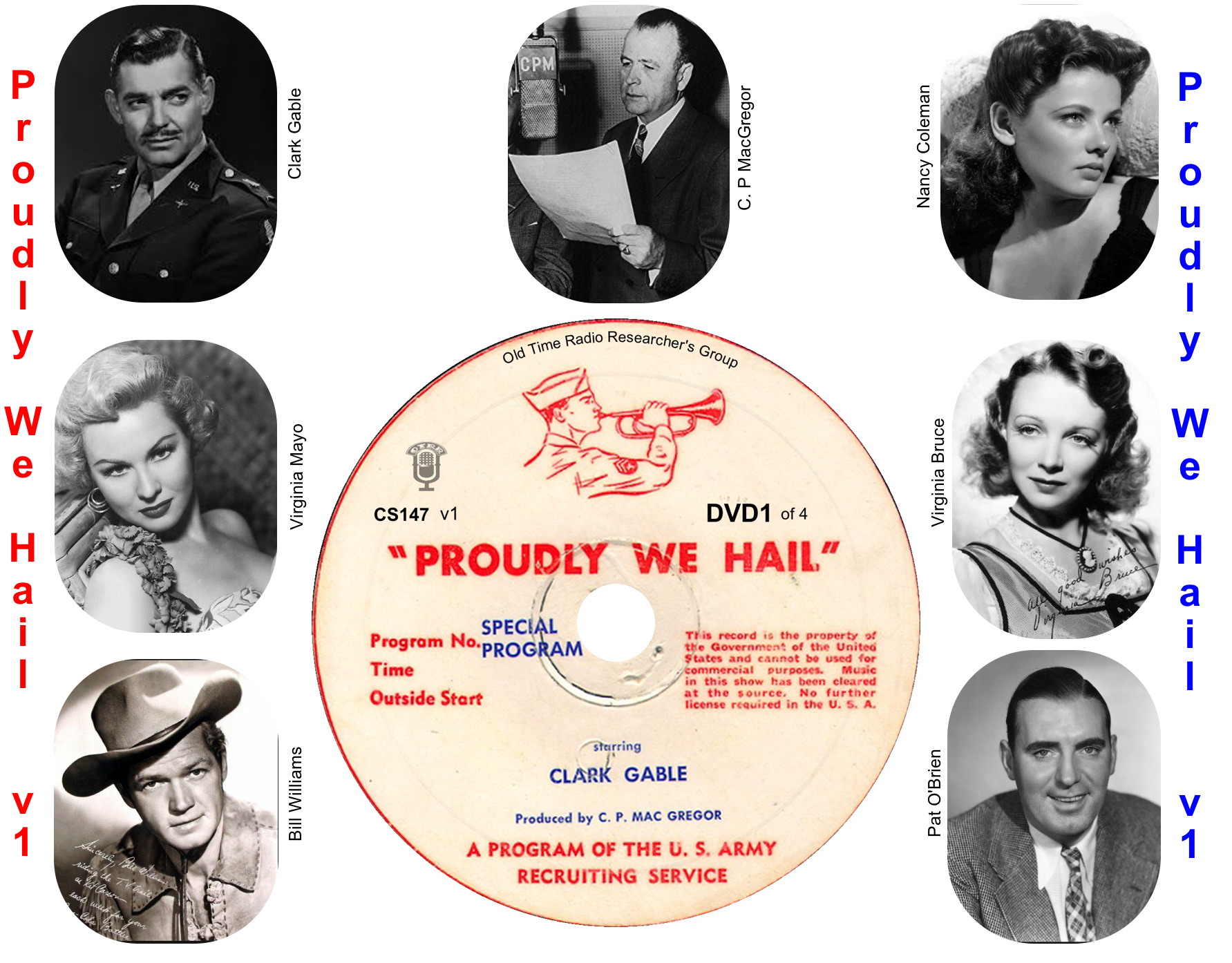
Programmes made to explain a war, a policy, or a country to its own citizens. The Voice of the Army and Your Army Air Forces are public information as broadcast craft.
The documentary hour
Tape, testimony and narration assembled into an argument about something that really happened. Biography in Sound and Hear It Now are the direct ancestors of the narrative documentary podcast.
History, dramatised
A historical event staged with actors and a narrator who insists on the date. Cavalcade of America and You Are There made the past into scenes.
The lesson on the air
Radio built as a classroom — a curious question, an expert, and an explanation pitched at anyone. Adventures in Research and the university theatres did teaching as entertainment.
The devotional hour
A weekly programme of scripture, reflection and music for listeners at home. Religious broadcasting was one of radio's earliest reliable audiences and is one of podcasting's largest today.
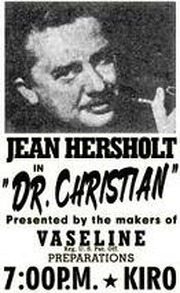
The doctor at the door
A trusted physician, a small town, and a moral problem solved in half an hour. Dr. Christian and Dr. Kildare built the medical drama and the health-authority voice.
The daytime serial
Fifteen minutes a day, the same family for years, and a story that never quite resolves. Ma Perkins and Stella Dallas invented serialised character audio.
The programme made for the household
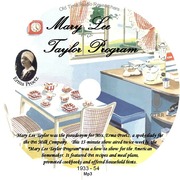
Recipes, advice and a hostess who spoke to the listener as a peer at home during the day. The Mary Lee Taylor Program and the sponsored kitchen shows are the direct ancestor of lifestyle audio.
The romance anthology
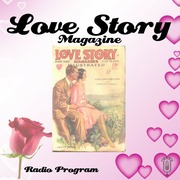
One love story a week, self-contained, played for feeling rather than plot. Romance and Love Story Magazine treated emotion as a genre with its own craft.
The adult western
A frontier town, a lawman with doubts, and violence treated as a cost. Gunsmoke and Frontier Gentleman proved genre radio could be serious drama.
The singing cowboy
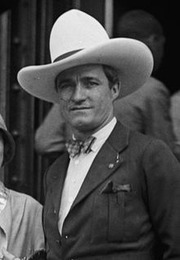
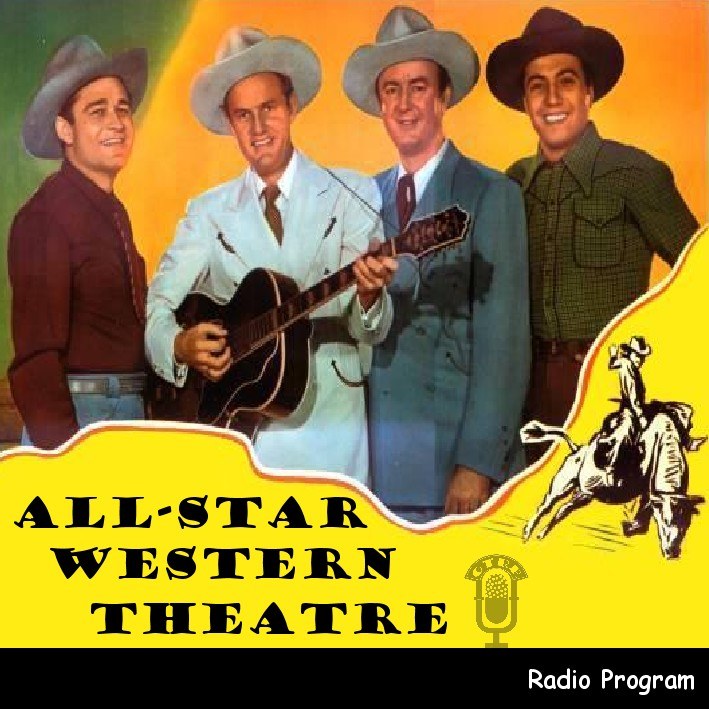
A cowboy hero who solves the trouble and then sings about it. Roy Rogers, Hopalong Cassidy and Tom Mix sold a whole childhood mythology through the radio.
The costumed hero
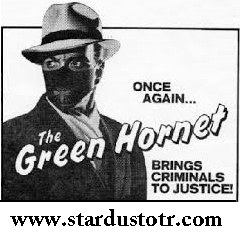
A secret identity, a signature sound cue, and a rescue every episode. Superman, The Green Hornet and The Blue Beetle built superhero storytelling in audio before film touched it.
The expedition serial
A far-off place, a party of explorers, and danger arriving weekly. Tarzan, Jungle Jim and Black Flame of the Amazon are period adventure with all their period assumptions on show.
The spy on assignment
An operative, an envelope of orders, and a foreign city rendered entirely in sound effects. Counterspy, Cloak and Dagger and Dangerous Assignment invented espionage audio.
The sea story
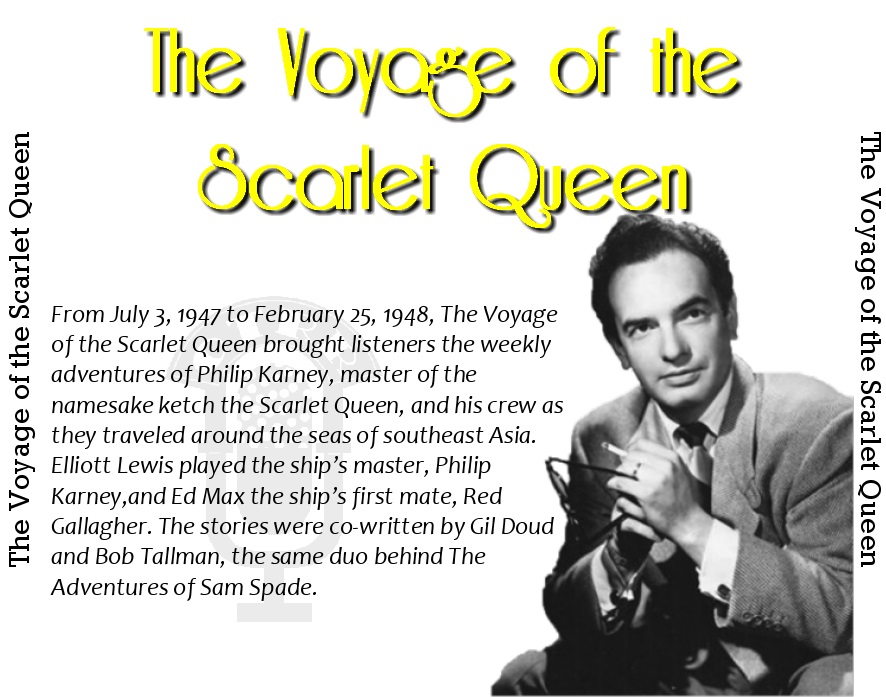
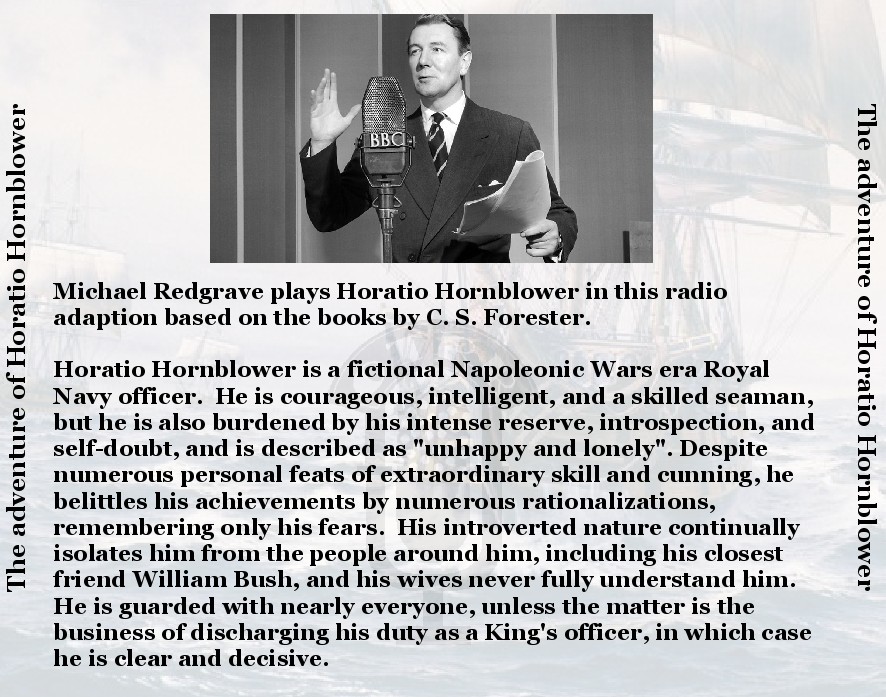
A ship, a captain and a coastline of trouble. Horatio Hornblower, The Voyage of the Scarlet Queen and the Australian sea serials kept the adventure novel afloat on air.
The Australian serial
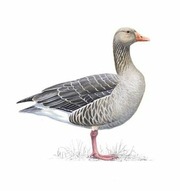
Transcription discs cut in Sydney and Melbourne studios, shipped around the country and the Commonwealth. Grey Goose, Fatman and the Australian Archives are a whole parallel radio industry.
The British radio comedy
Catchphrases, a live audience, and a resident cast of exaggerated types. Band Waggon, ITMA and Much Binding in the Marsh built the shape British comedy still uses.
The voice broadcast abroad
One country speaking, on shortwave, to listeners in another. London Calling, Letter from America and Voices of Independent India are international broadcasting as an instrument.
The Canadian dial
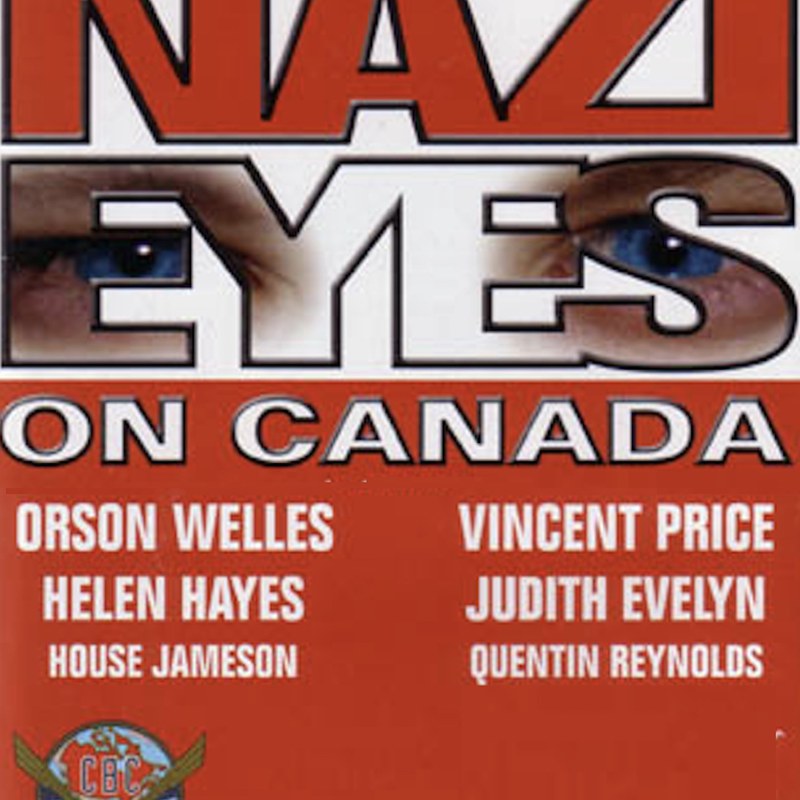
A public broadcaster building drama and documentary for a country too large to tour. CBC Stage, Nazi Eyes on Canada and the CBC Mystery Theatre are their own tradition.
The show the sponsor built
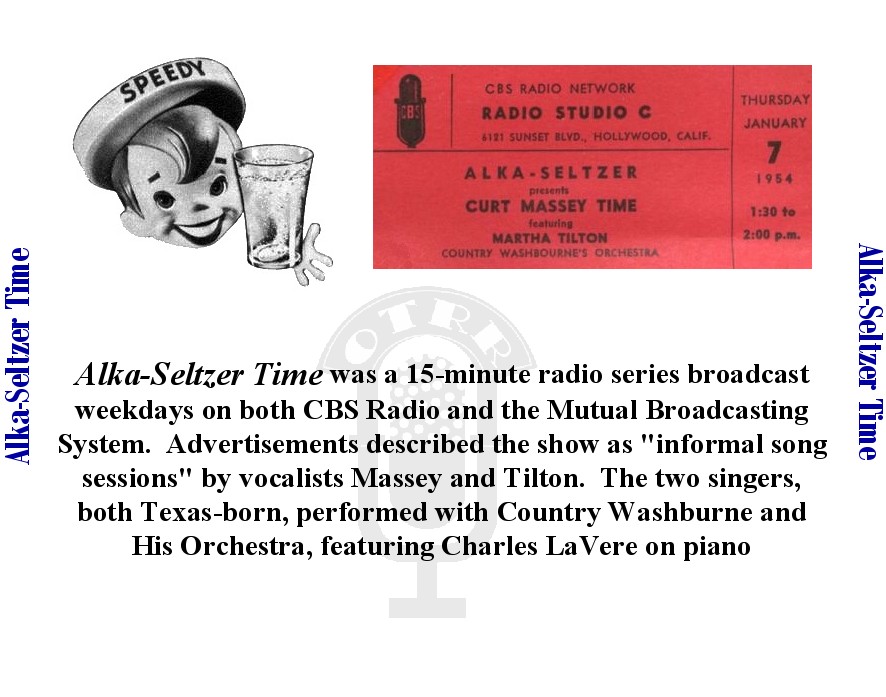
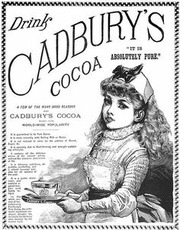
A brand paid for the whole programme and put its name in the title. Alka-Seltzer Time, Shell Chateau and the Cadbury Show are the ancestor of every branded podcast made today.
The Hollywood desk
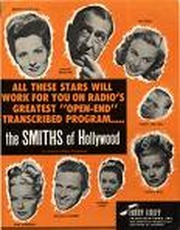
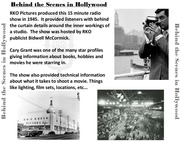
Studio gossip, set visits and stars answering questions between pictures. Behind the Scenes in Hollywood and The Smiths of Hollywood built entertainment journalism as broadcast.
The sports desk
A voice describing what you cannot see, fast enough to keep up with it. The Grantland Rice Story and the ringside broadcasts made sport a listening event.
The reporter as hero
A newspaperman chasing a story into danger, with a deadline as the ticking clock. Front Page Farrell, Casey and Police Reporter romanticised the beat.
The strange but true file
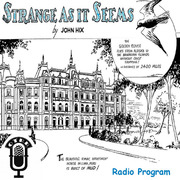
A short account of something odd, delivered as fact and left unexplained. Strange As It Seems and Incredible, But True are the ancestors of every paranormal podcast.
The told ghost story
One narrator, a fire, and a story that keeps its worst detail until last. The Witch's Tale, Weird Circle and Beyond Midnight are storytelling stripped to voice.
The gothic adaptation
Frankenstein, Jekyll, the Hunchback — the nineteenth-century terrors performed with an orchestra and an organ sting. The Australian gothic productions kept these alive on disc.
The twist in the last minute
A tidy situation, a slow tightening, and one line at the end that rearranges everything. The Whistler and The Unexpected built the whole architecture around the reveal.
The charming rogue
A hero on the wrong side of the law who is better company than anyone chasing him. Boston Blackie, Harry Lime and The Scarlet Pimpernel made criminality delightful.
The rocket serial
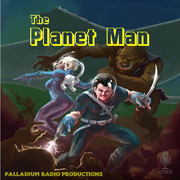
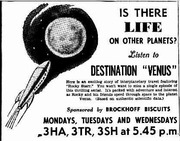
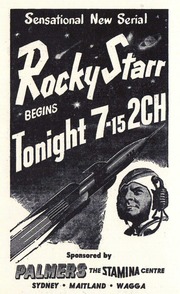
Planets rendered in reverb, a crew with a mission, and science as adventure. Space Patrol, Planet Man and the Rocky Starr discs built kids' science fiction in sound.
The science fiction anthology
Published stories by working science fiction writers, adapted straight and treated as literature. Dimension X and X Minus One made the genre respectable on air.
The small town on the dial
A town, its regulars, and an affection for ordinary routine. Lum and Abner, Vic and Sade and Mayor of the Town made gentleness a format.
The teenager on the air
Adolescence played for comedy, with parents as the straight men. Archie Andrews, A Date with Judy's contemporaries and Meet Corliss Archer made the teen sitcom.
The host alone at the microphone
No guests, no sketches — one person talking directly to the listener for the length of the programme. The wartime fireside address made solo speech a legitimate broadcast form.
Notes on the record
Recordings are sourced from the Internet Archive's Old Time Radio collections, digitised from transcription discs, network reels and home recordings by volunteer restorers.
Most live broadcasts were never recorded, and many discs were destroyed for shellac during the war. Episode counts here reflect what actually survives — not what originally aired.
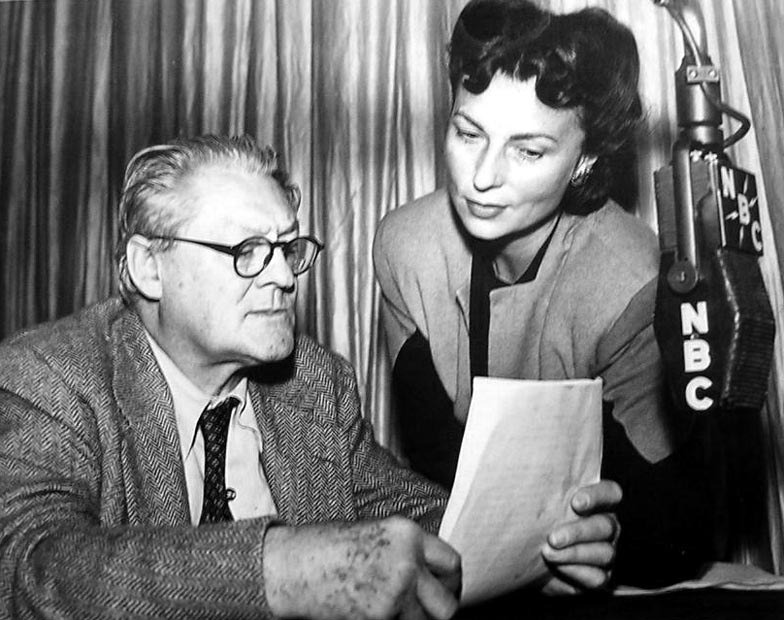
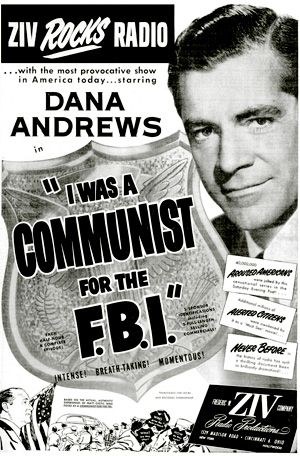
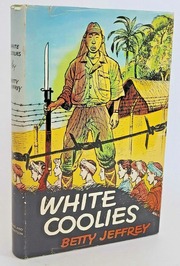
These programmes are in the public domain in the United States. Artwork shown is period promotional material from the same archive items — never generated.