
The Journey
Paths through the archive
A journey isn't a playlist. It's an edited sequence — episodes pulled from different series and placed in an order that argues something, with a note at every stop explaining why it's there.
November 1963
72 Hours on the Air
The assassination weekend as radio and television carried it: the bulletin that broke the day, the long vigil, the shooting of the accused, and the funeral that closed it.
1963 · 5 stops · 3h 41m
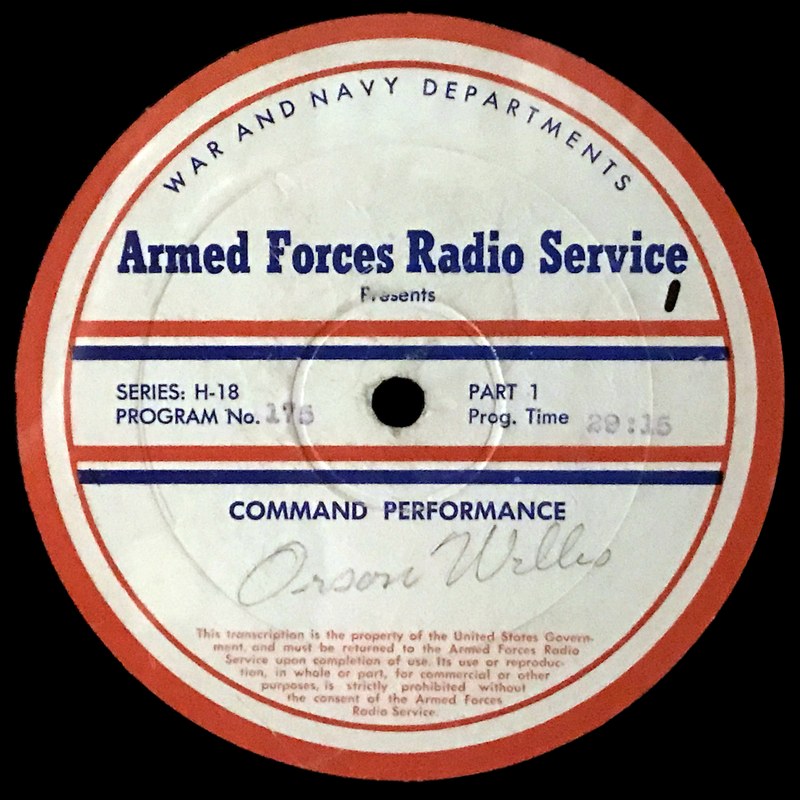
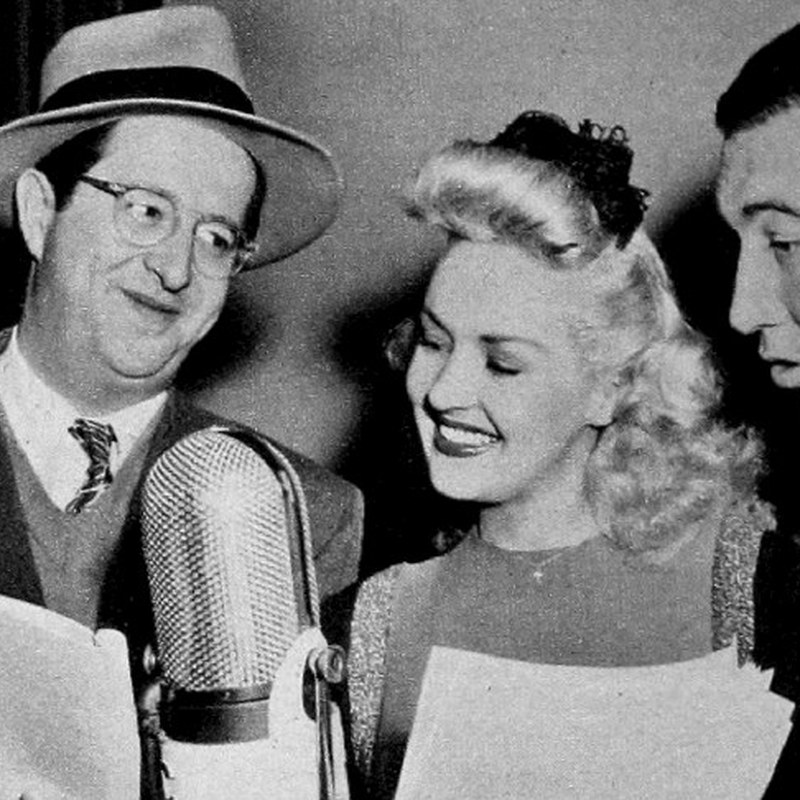
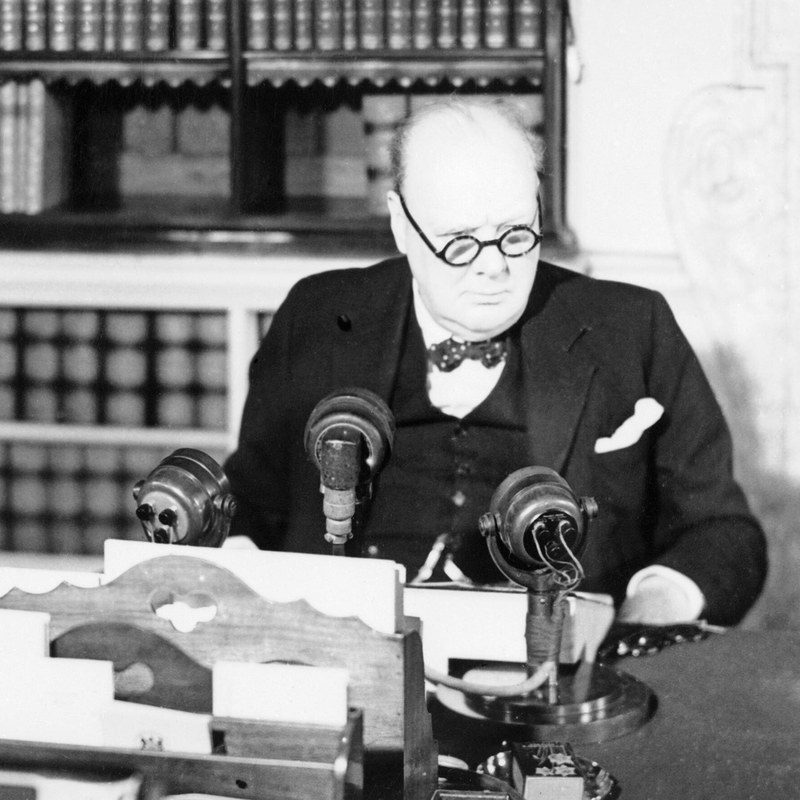
The War Years
Christmas Eve, 1944
One night, four transmitters. Home-front variety, forces mail, London under blackout and a war reported in the present tense.
1944 · 5 stops · 2h 40m
Fear, invented
The Night Radio Frightened America
How broadcasting learned to scare people, from the Martian hoax through the anthology thrillers to the modern folklore hour.
1938 – now · 5 stops · 2h 52m


The craft of true crime
How a Case Gets Told
Five different answers to the same problem: what do you owe a real case when you turn it into a series?
Modern · 3 stops · 2h 6m

The live room
Where Comedy Learned Timing
The studio audience has never left. Trace the rhythm of the network comedy hour into the modern conversation show.
1944 – now · 5 stops · 3h 14m

The procedural
Detective Work, 1949 to Now
From the flat police realism of postwar radio to the modern investigative feed — same beat, different microphone.
1949 – now · 5 stops · 2h 38m


Curiosity path
The Universe, Explained
Start on the Moon in 1969, end somewhere much stranger. A path through the best explanatory hours on the network.
1969 – now · 5 stops · 3h 49m
The first decade
Radio Before It Settled Down
Before the networks perfected the sitcom and the soap, radio was still improvising its own form. A path through the earliest surviving broadcasts.
1930 – 1935 · 6 stops · 2h 32m
The war, from the kitchen
The Home Front
Not the front line but the country behind it: ration points, war bonds, letters overseas and the comedy that kept running anyway.
1942 – 1945 · 5 stops · 2h 9m
London on the air
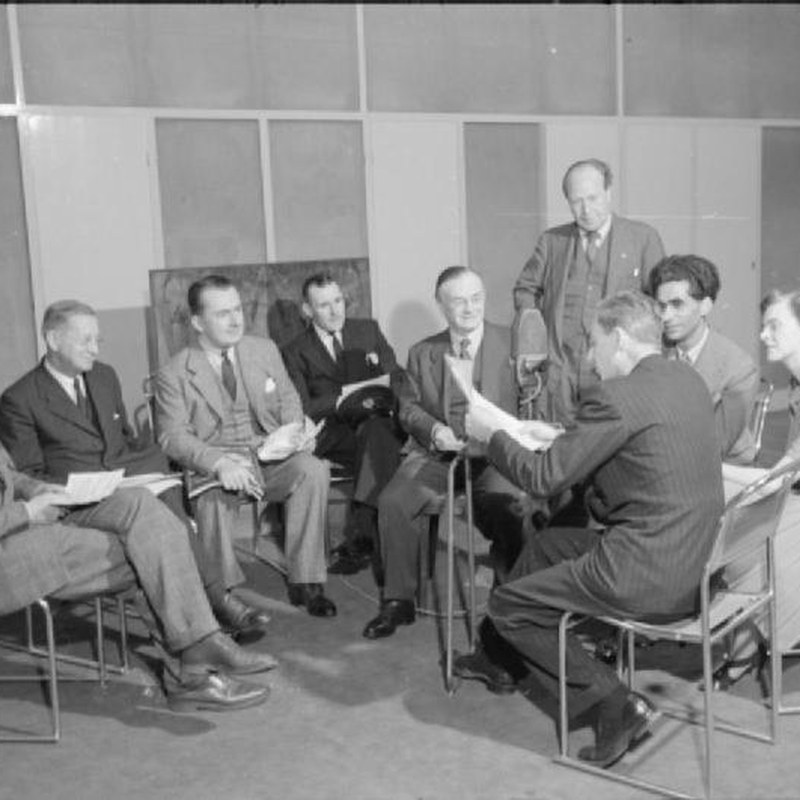
The BBC at War
The British service through the war years: the newsroom, the Prime Minister's voice, and the propaganda aimed back the other way.
1939 – 1945 · 5 stops · 1h 33m



British radio abroad
The Empire of the BBC
The BBC's reach beyond London: home-grown detective serials, sketch comedy and the light entertainment format the Commonwealth stations borrowed wholesale.
1938 – 1953 · 5 stops · 2h 15m


All India Radio
A New Country, On Air
The broadcasts around independence and partition, as All India Radio carried them — a young state finding its own frequency.
1946 – 1952 · 4 stops · 2h 44m

Canada's national service
The CBC After the War
Canadian radio's own repertory of drama, variety and detective work, built alongside — and distinct from — its American neighbour.
1943 – 1968 · 5 stops · 2h 21m

Sport on the air
Calling the Game
Play-by-play as its own broadcasting discipline, from the rink to the newsreel to the modern hour-long recap.
1930s – now · 5 stops · 2h 28m
One comedian, one persona
The Jack Benny Vault
Benny built an entire career on being cheap, vain and thirty-nine — a running joke sustained across two decades. A path through its variations.
1932 – 1955 · 4 stops · 1h 32m
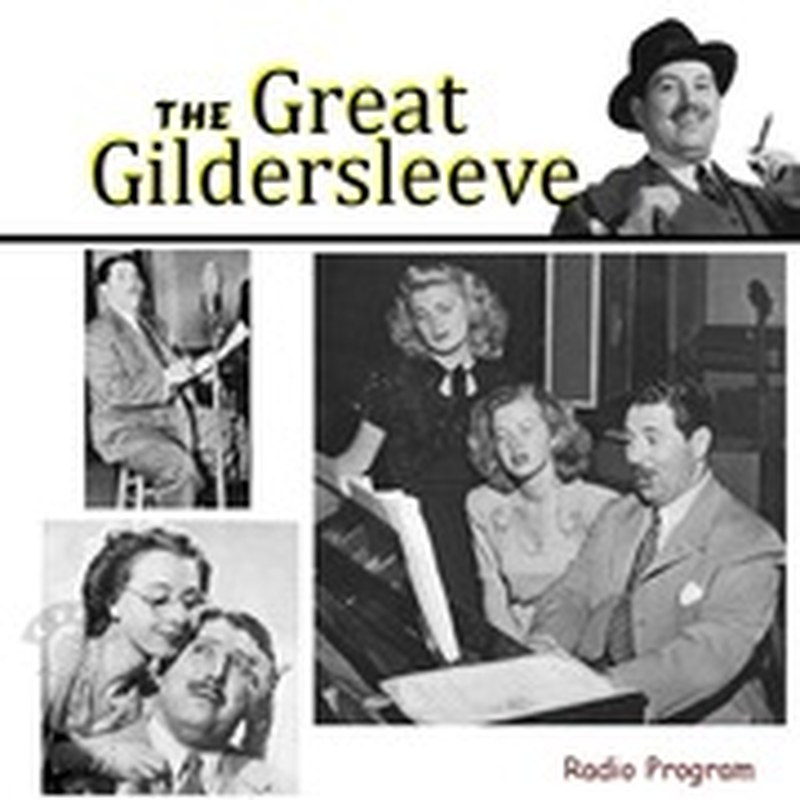
One gag, one decade
Fibber McGee's Closet
A single sound effect — the overstuffed hall closet — held one of network radio's longest-running shows together. Four visits across the years.
1935 – 1959 · 4 stops · 1h 49m
How the procedural got flat
Before Dragnet
Dragnet's clipped, procedural style didn't appear from nothing. Four earlier detective shows show the style it was reacting against, and the one it borrowed from.
1933 – 1949 · 5 stops · 2h 27m

One character, three productions
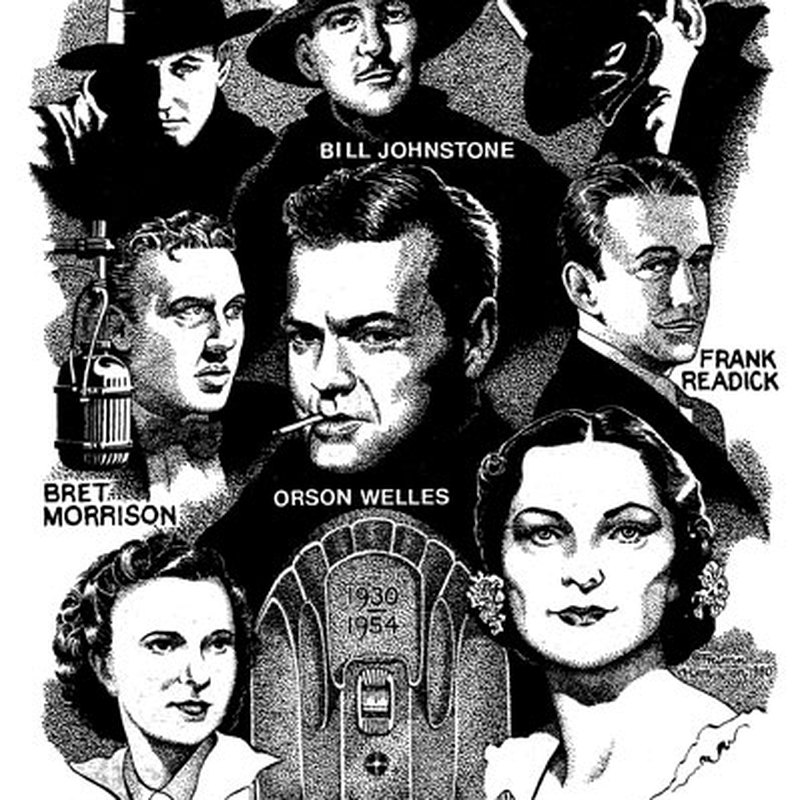
The Shadow, Across Decades
Lamont Cranston's alter ego ran across networks, countries and decades. Compare the American original with its Australian counterpart.
1937 – 1951 · 4 stops · 2h 20m

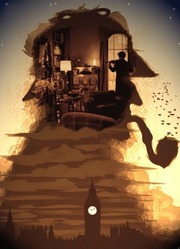

One detective, every era
Sherlock Holmes on Air
Holmes has never been off the air for long. From the American network version through the BBC's own detective serials to the modern audio adaptation.
1939 – now · 5 stops · 2h 29m
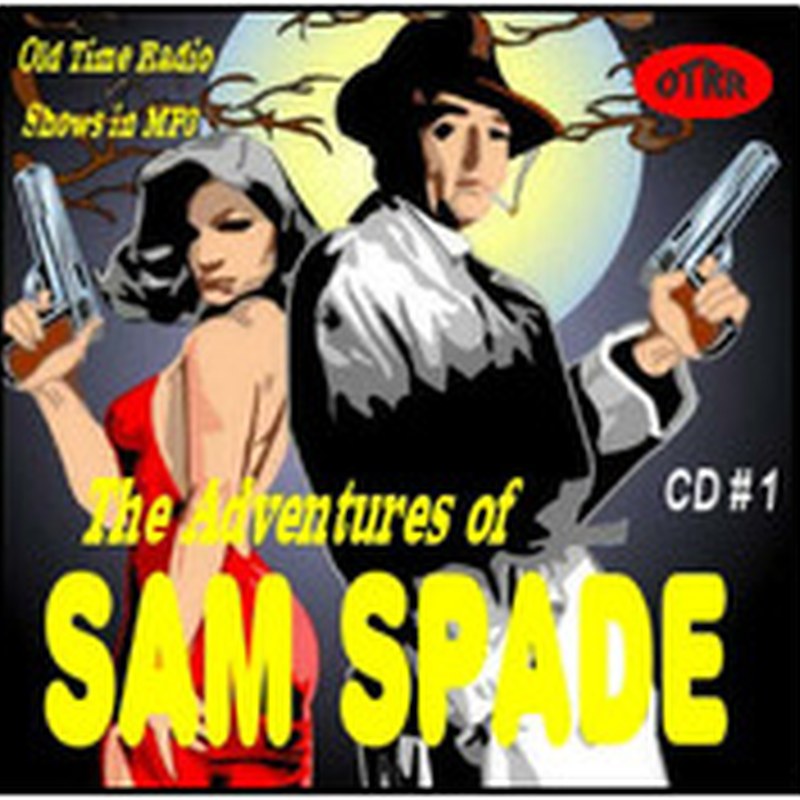
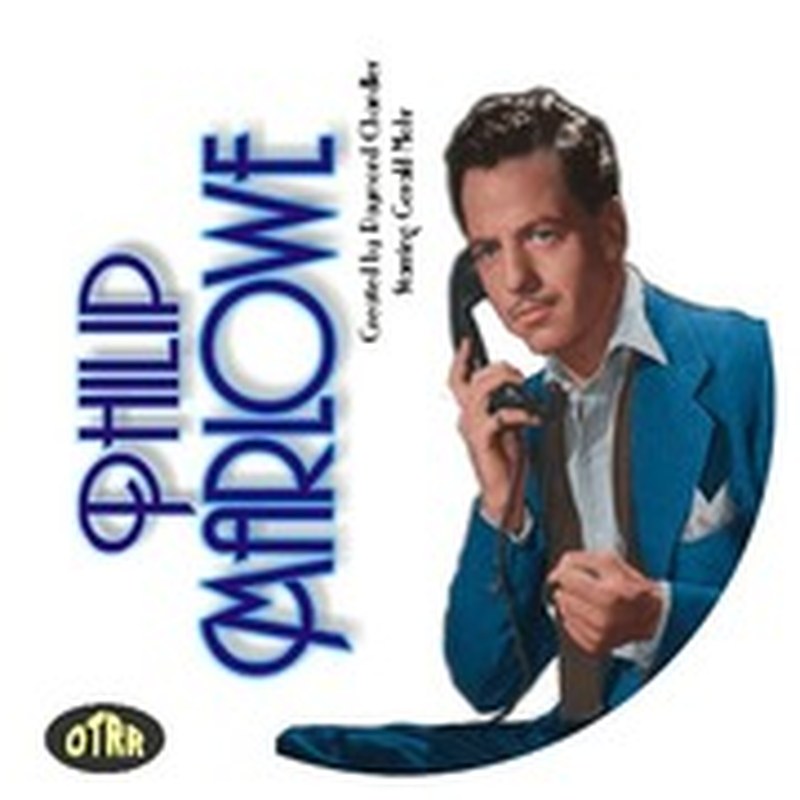
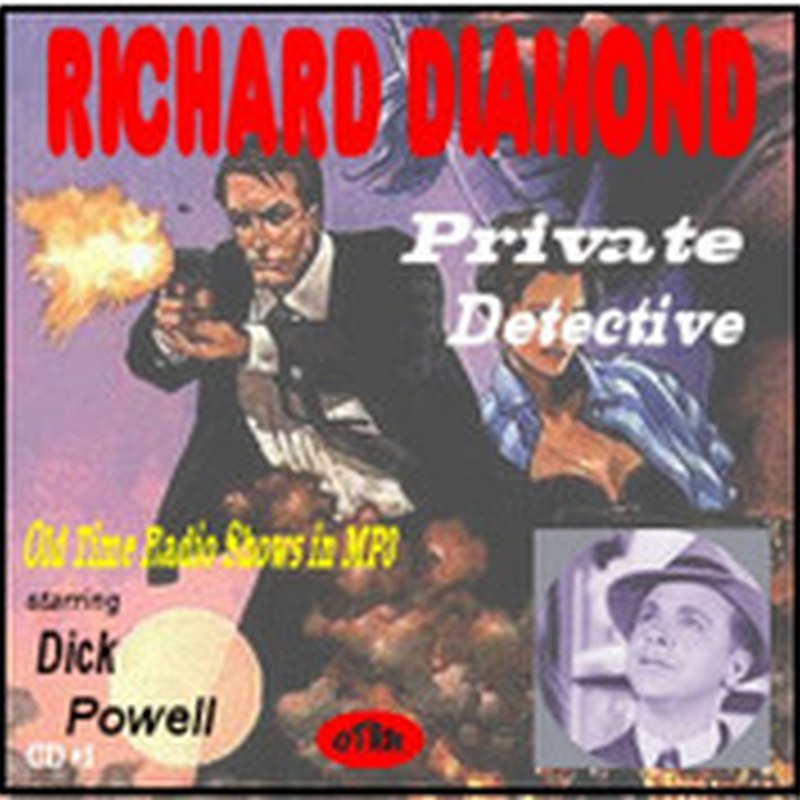
Hard-boiled radio
The Noir Microphone
The private-eye voiceover — world-weary, first-person, a little too clever — was a radio invention before it was a film cliché.
1943 – 1953 · 5 stops · 2h 46m
The frontier, dramatized
The Western Hour
From the Lone Ranger's masked simplicity to Gunsmoke's harder, more adult frontier — the western learned to grow up on the radio first.
1941 – 1961 · 6 stops · 2h 54m

Masked heroes for children
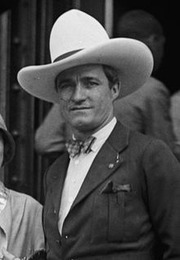
The Lone Ranger and Friends
The after-school adventure serial, aimed squarely at children and sponsored just as squarely by their parents' cereal money.
1938 – 1955 · 5 stops · 1h 42m
The genre's radio decade
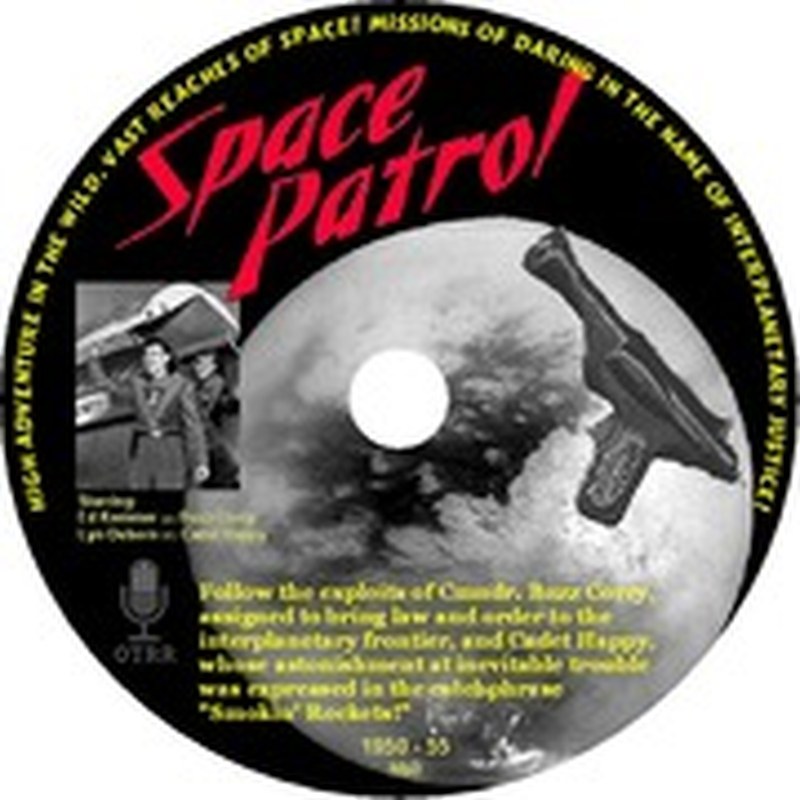
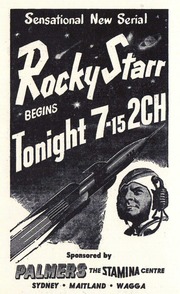
Science Fiction Before Television
For a few years, the best-produced American science fiction was on the radio, not in print or on screen. A short, dense era, worth the whole path.
1950 – 1955 · 5 stops · 1h 23m
After school, before dinner
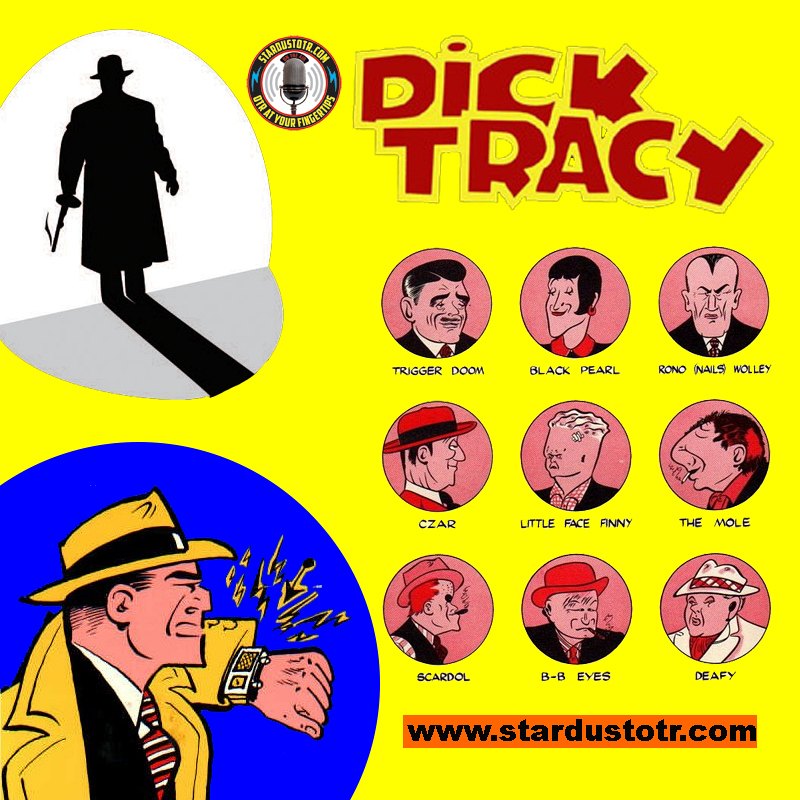
What Children Listened To
The daily quarter-hour slot built specifically for young listeners — adventure, comic strips and moral instruction, sold with a cereal box top.
1937 – 1962 · 6 stops · 2h 8m

%20Talk%20About%20Meta.png)


Daytime serial drama
The Soap Opera Day
Fifteen minutes at a time, five days a week — the format that invented the modern serial's patience, and named itself after its sponsors.
1935 – 1960 · 5 stops · 1h 12m
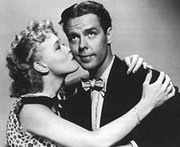
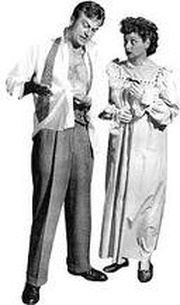
Domestic sitcom, before the word existed
The Comedy of Married Life
Long before the television sitcom had a name, radio had already worked out its shape: a marriage, a misunderstanding, and a laugh track's worth of relatives.
1937 – 1957 · 5 stops · 1h 52m
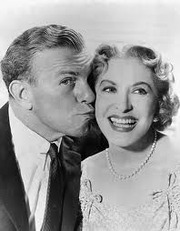
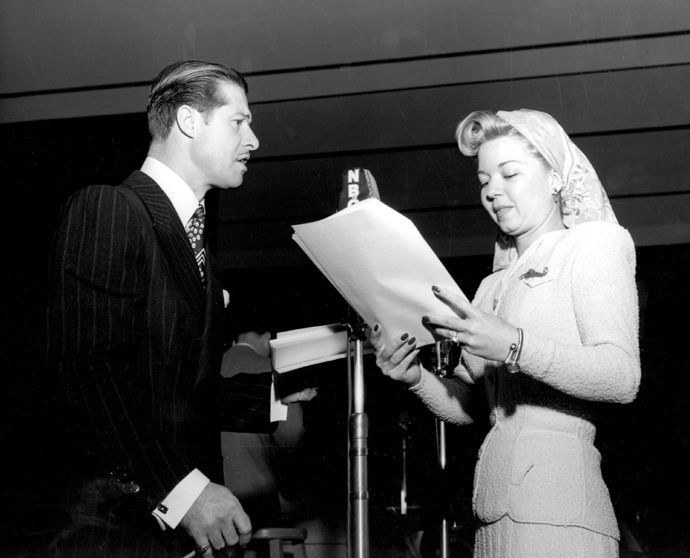
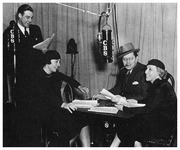
Two voices, one joke
The Comedy Double Act
Some comedy needs exactly two people and no more: a straight man, a fool, and the gap between them where the joke lives.
1940 – 1953 · 5 stops · 2h 22m
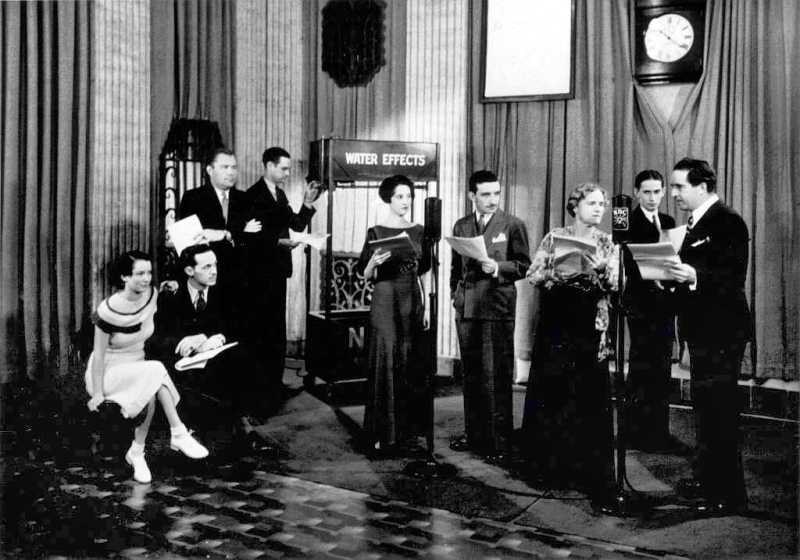



Drama with no ending in sight
The Long Serial
Some radio drama wasn't built to resolve — it was built to continue, season after season, for listeners who wanted a family to keep checking in on.
1932 – 1959 · 4 stops · 1h 8m

Games, played live
The Quiz and Panel Show
Before the television game show, radio worked out the format: expert panels, home-viewer stunts and a host holding the whole thing together.
1938 – 1959 · 5 stops · 3h 11m
Music, comedy, guests
The Variety Hour
The network variety hour packed a bandleader, a comedian, a singer and a sponsor into thirty minutes, live, every week.
1937 – 1952 · 5 stops · 4h 55m
The dance orchestra, broadcast live
Big Bands on the Air
For a decade, a live band remote from a hotel ballroom was standard late-night programming. The music that later filled record shops was first heard here, live and unedited.
1935 – 1946 · 5 stops · 2h 35m


AFRS and the military audience
The Swing Era, Off the Air
The Armed Forces Radio Service built its own parallel music service for troops overseas, free of commercials and, often, of restraint.
1943 – 1946 · 4 stops · 1h 44m

June 6, 1944
D-Day, Hour by Hour
Four networks covering the same invasion, in real time, none of them yet sure how it would end. Compare the American, British and Canadian feeds.
1944 · 5 stops · 3h 49m




A decade, one year at a time
The Year in Radio News
A yearly digest of the actual news broadcasts, strung together year by year, gives the clearest sense of how fast the decade moved.
1938 – 1949 · 5 stops · 2h 55m


Propaganda, aimed outward
The Enemy's Own Broadcasts
Axis broadcasters ran their own English-language services throughout the war, aimed squarely at Allied listeners. What they actually sounded like.
1939 – 1944 · 5 stops · 1h 32m
Wartime information, official
Why We Fight
The US government didn't just report the war — it explained it, in documentary series built by its own information units for troops and citizens alike.
1942 – 1945 · 5 stops · 4h 6m
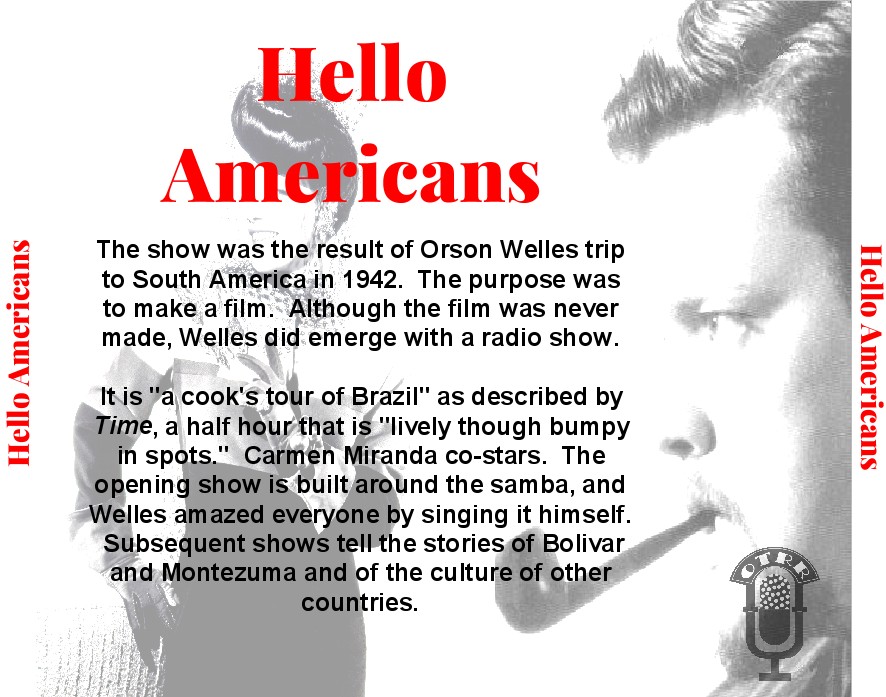
The studios enlist
Hollywood's War
Radio brought the film industry's biggest names to the war effort — reading the news, headlining benefit broadcasts, playing themselves for the cause.
1942 – 1945 · 5 stops · 2h 38m


History, dramatized as news
You Are There
One unusual format treated history as breaking news, with reporters interviewing figures from the past as if the events were unfolding live.
1947 – 1950 · 4 stops · 2h 46m
Before the films
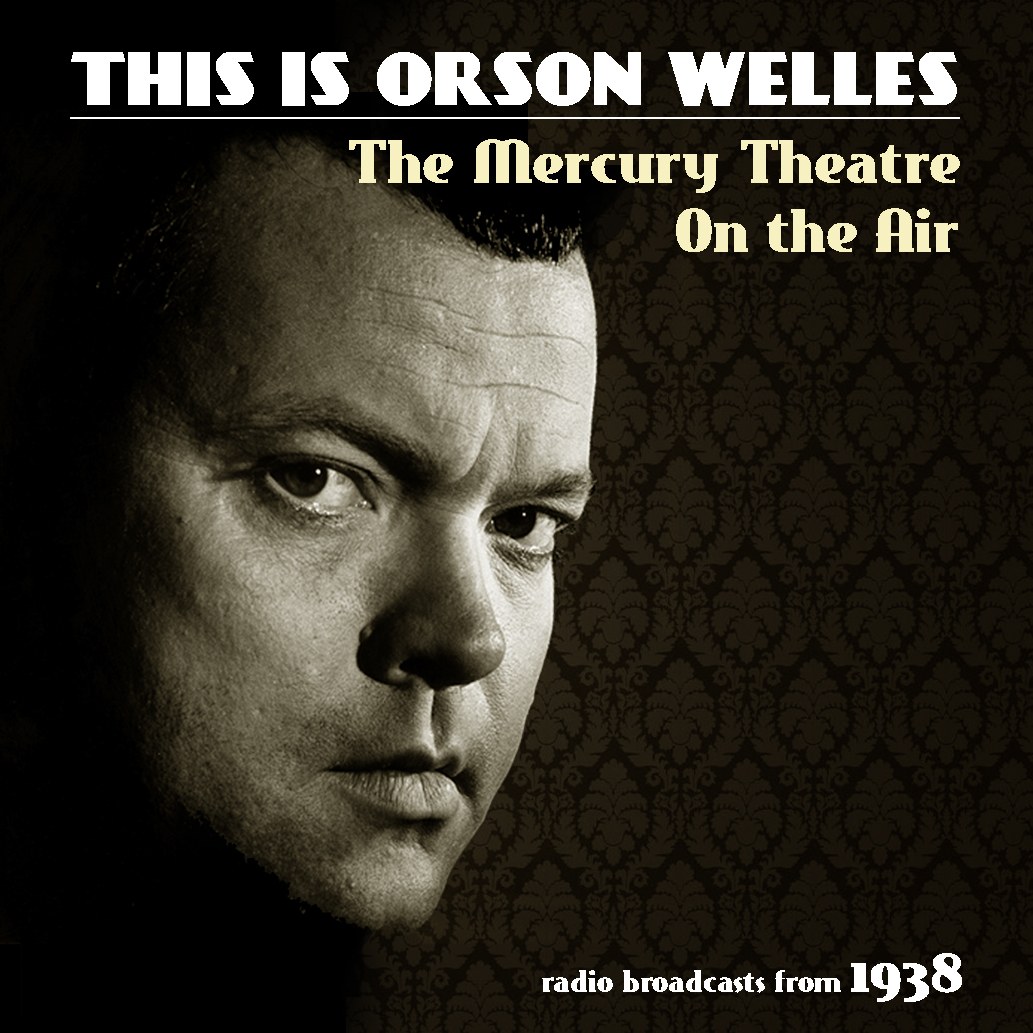
Orson Welles on the Air
Welles ran a weekly theatre of the air years before Citizen Kane — the same appetite for scale, worked in sound instead of light.
1938 – 1943 · 4 stops · 3h 15m
A different play every week
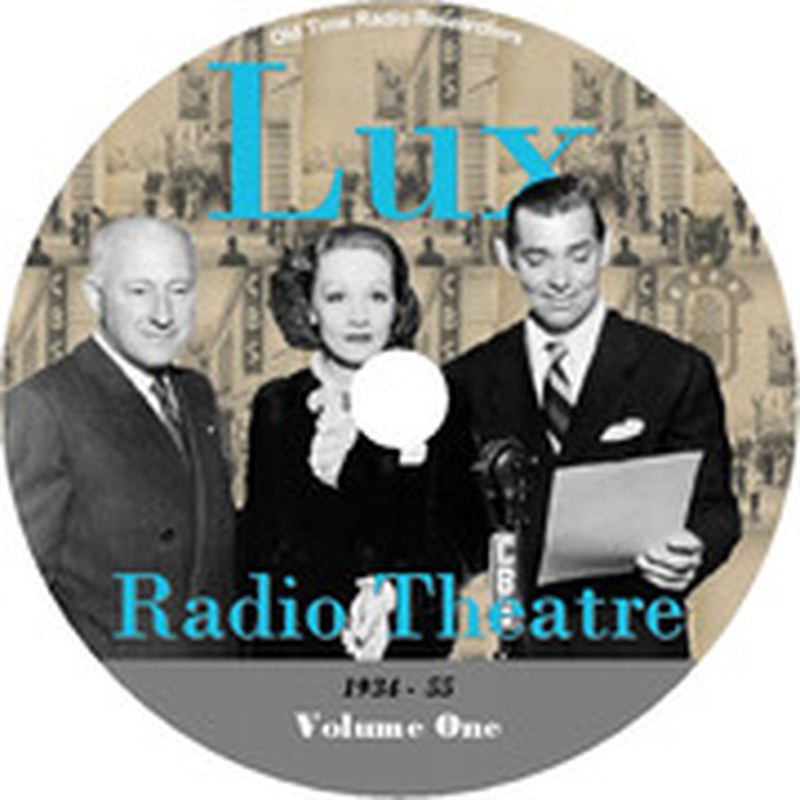
The Anthology Drama
No characters carried over, no sponsor gimmick required — just a new script and cast every week, built to showcase the medium itself.
1936 – 1962 · 5 stops · 2h 48m
The craft hour
Suspense, in Its First Year
Suspense ran for over a decade, but its reputation was set almost immediately. Early episodes from the run that became the genre's benchmark.
1942 – 1943 · 5 stops · 2h 26m
Horror's radio decades
The Anthology of Fear
American horror radio ran as a genre in its own right for nearly two decades, distinct from suspense's crime plots and closer to pulp fiction.
1937 – 1954 · 5 stops · 2h 9m
From listeners
Paths other people made
Anyone can build a journey from their saved episodes, annotate each stop and publish it with a share link.
No listener journeys published yet — yours would be the first.